
Second-crop corn squeezes margins as input costs stay high and prices fall short of breakeven
Brazil's second-crop corn season is under significant financial pressure, with production costs running above current market prices in several growing regions. Fertilizers alone account for a large share of total expenditure, leaving growers with little room for error and making operational efficiency a critical factor for the season.
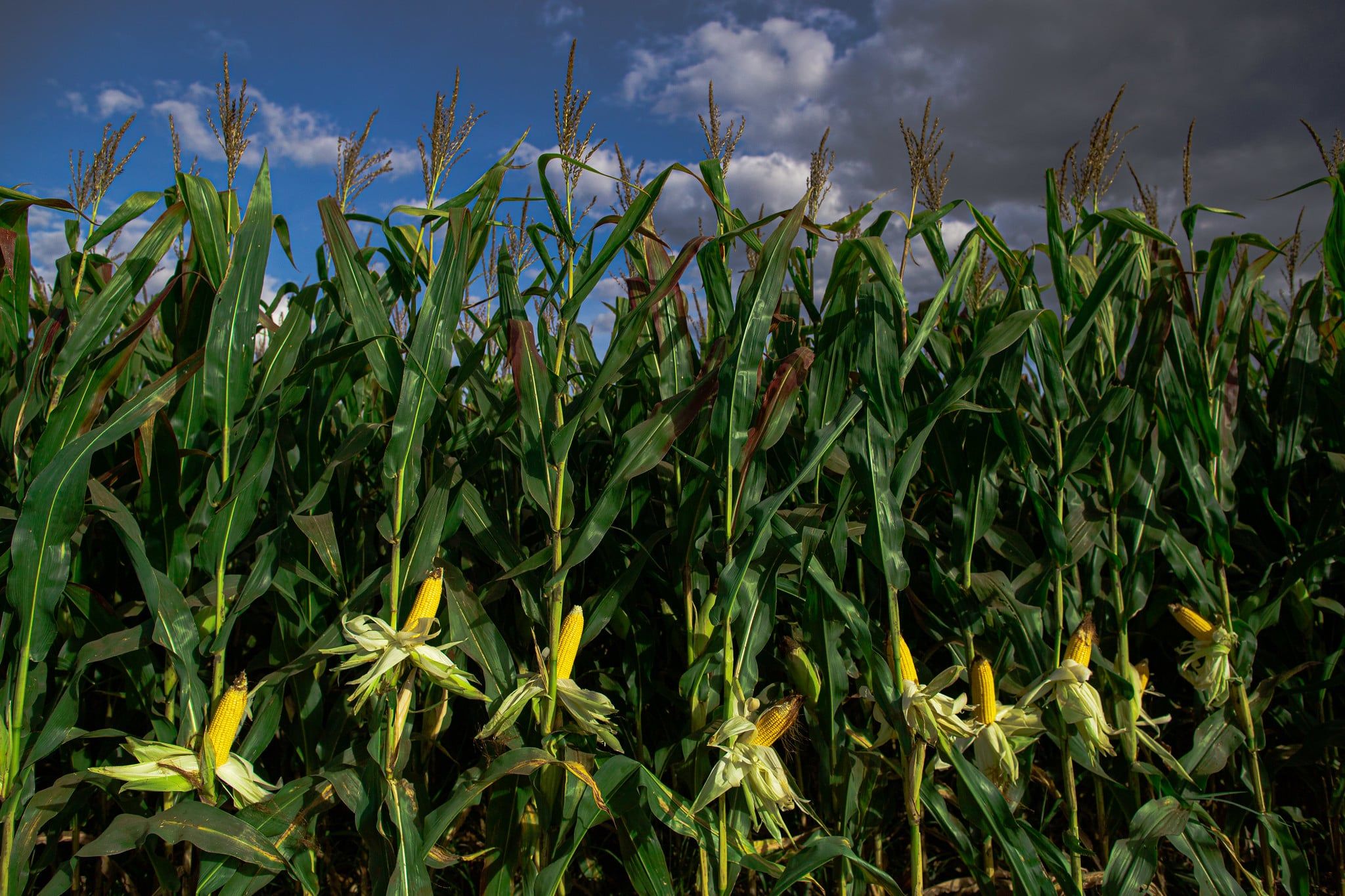
The second corn crop is navigating one of its most challenging seasons in recent memory. Depressed domestic prices combined with a heavy cost structure are compressing margins and calling into question the economic viability of a portion of planted area, particularly for producers who did not lock in prices or secure input contracts ahead of the season.
Fertilizers remain the single largest cost driver, representing roughly four-tenths of total production expenses. This reflects both persistently high domestic fertilizer prices and Brazil's structural reliance on imports, which keeps the sector exposed to currency fluctuations and external supply disruptions.
With projected gross revenue falling short of full production costs across several regions, operational efficiency is no longer just a competitive advantage but a prerequisite for financial survival. Growers who minimize field losses, calibrate fertilizer applications based on soil analysis, and secure forward sales contracts are best positioned to weather the current environment.
The situation underscores the importance of financial planning before planting begins. Locking in a portion of output through forward contracts, monitoring marketing windows carefully, and pursuing input-use efficiency are practices that carry decisive weight when margins are running at their limits.
Original source
Read more at Notícias Agrícolas ↗Content based on a public source. Rights to the original article belong to the cited outlet.