
Road freight costs rise in August despite lower diesel prices
Road freight rates for agricultural cargo moved higher in August, defying expectations that cheaper diesel would ease transportation costs. Producers and trading companies that anticipated a pass-through of fuel savings were caught off guard by the divergence. The disconnect between input costs and freight tariffs raises concerns for grain logistics in Brazil.
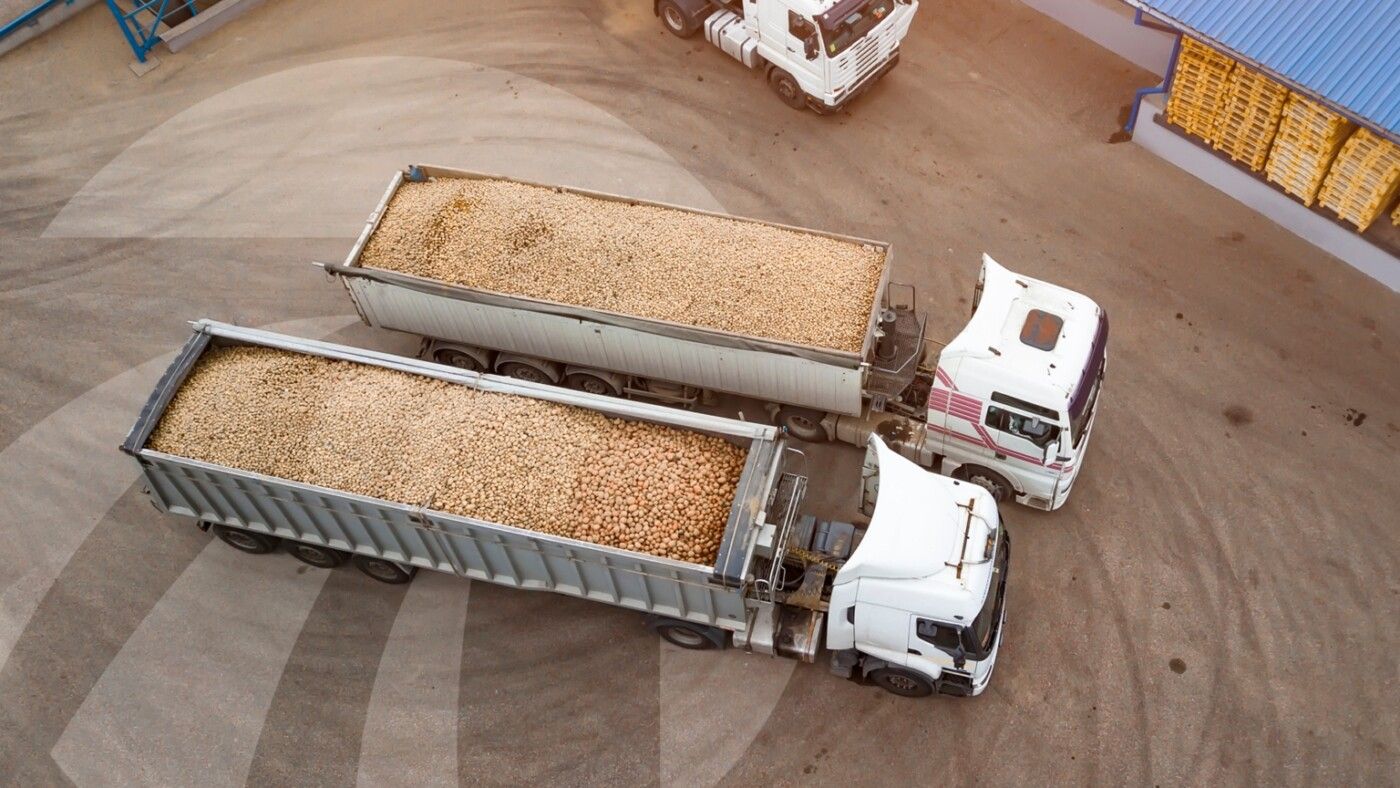
Road freight rates closed August on the rise, even as diesel prices trended lower. Typically, a drop in fuel costs puts downward pressure on carriers' operating expenses and, in turn, on the tariffs charged to shippers. However, that expected relief did not materialize, leaving agricultural producers and grain traders facing persistently high transportation bills.
Market analysts point to structural factors within the trucking sector as key drivers of the disconnect. Concentration of demand along specific corridors, limited truck availability in major producing regions, and seasonal pressures related to the movement of remaining 2024 harvest stocks all contributed to keeping freight rates elevated, regardless of diesel price dynamics.
For the agribusiness sector, the situation underscores the strategic value of locking in freight contracts in advance and diversifying transportation modes whenever infrastructure allows. Over-reliance on road transport leaves producers vulnerable to cost swings that do not necessarily follow commodity or fuel price logic. Closely tracking freight indices has become an essential risk management tool for protecting margins in grain commercialization.
Original source
Read more at O Presente Rural ↗Content based on a public source. Rights to the original article belong to the cited outlet.