
Road freight costs climb in August driven by corn flow season
Brazil's road freight rates for agricultural cargo rose by just over one percentage point in August compared to the previous month. The peak transportation season for the second corn crop, known as safrinha, was the main driver behind the increased pressure on haulage prices. For farmers, higher logistics costs add another layer of complexity to commercialization decisions.
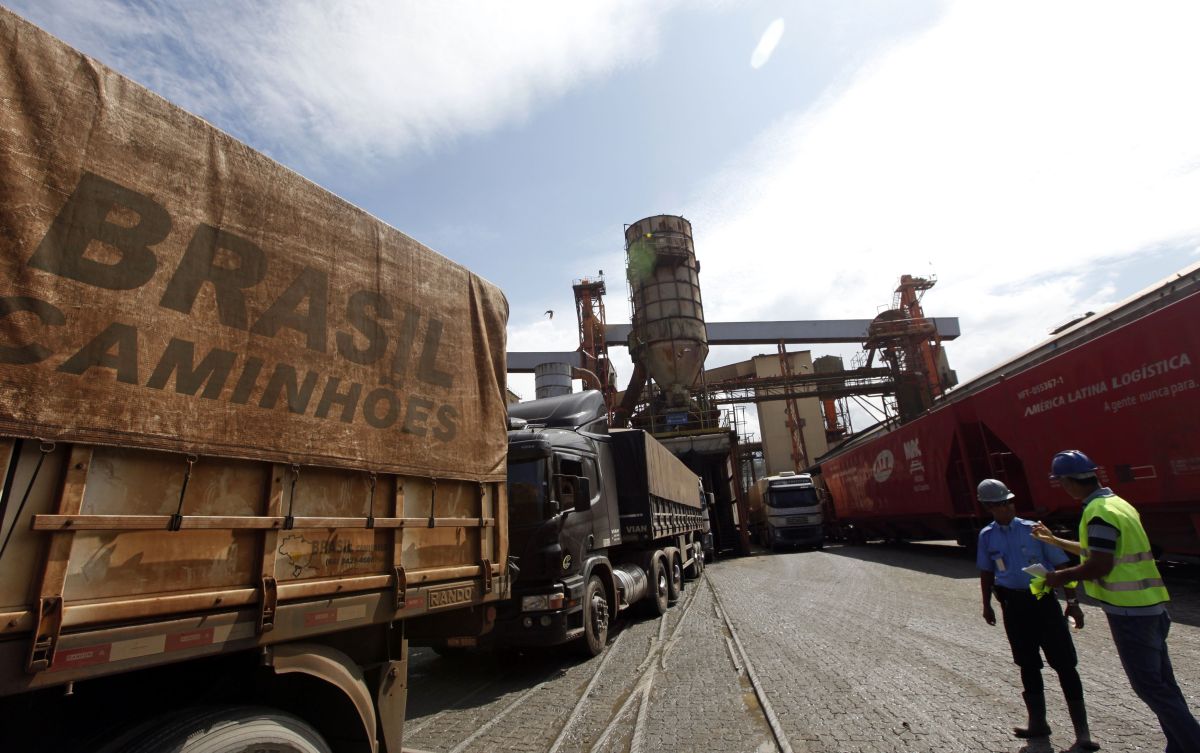
August brought additional pressure on logistics costs across the Brazilian agribusiness chain. Road freight rates posted a roughly 1% monthly increase, a direct consequence of heightened competition for trucks during the peak outflow period of the safrinha corn crop, which generates some of the largest cargo volumes of the agricultural calendar.
The safrinha corn, harvested primarily in the Center-West region, requires extensive truck mobilization to supply export terminals as well as domestic processing facilities. When cargo demand outpaces available trucking capacity, freight rates naturally rise, raising costs across the entire supply chain from farm gate to final destination.
For the rural producer, freight behavior is a strategic variable. Higher haulage rates compress margins obtained on commodity sales, particularly for those located far from consumption centers or export ports. Planning the outflow of production in advance, taking advantage of lower-demand windows, can translate into meaningful savings in total operational costs.
The current scenario underscores the value of diversifying transport routes and modes whenever feasible. Rail and waterway alternatives, where available, tend to offer greater price stability during peak periods and should be factored into the logistics planning of producers and trading companies ahead of upcoming harvests.
Original source
Read more at CNN Brasil ↗Content based on a public source. Rights to the original article belong to the cited outlet.