
New provisional measure on road freight raises concerns over grain transportation costs in Brazil
A newly issued provisional measure altering road freight rules in Brazil has reignited a longstanding debate over logistics costs in the agricultural sector. Farmers and exporters fear the changes could increase expenses for moving crops from the field to export terminals. The issue is particularly sensitive given large harvests and already tight profit margins.
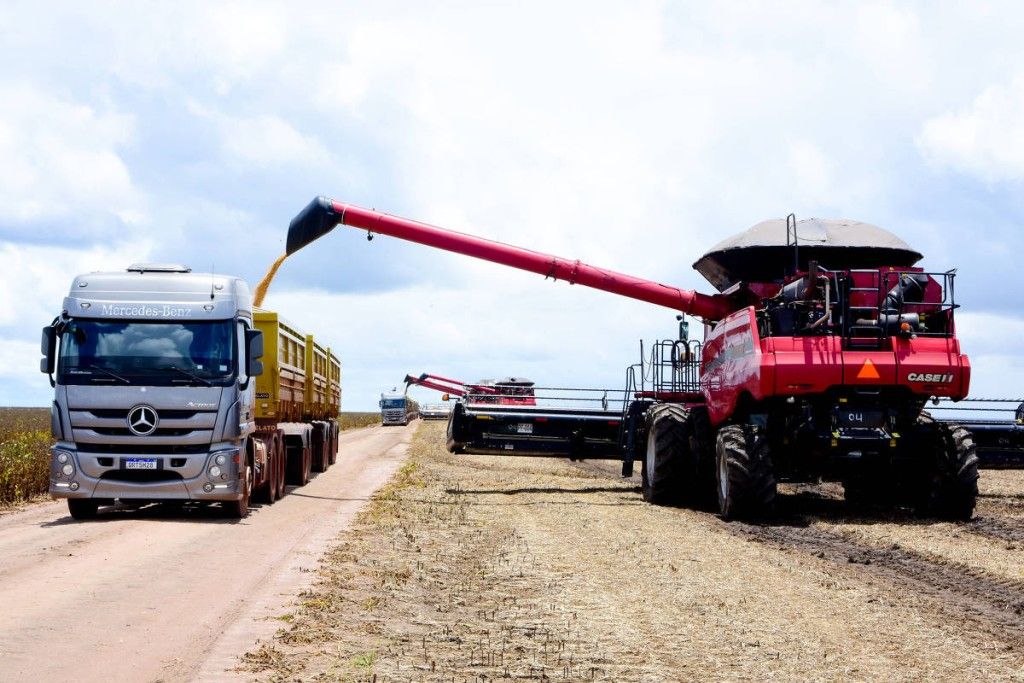
The Brazilian federal government issued a provisional measure modifying the country's road freight pricing framework, reviving discussions that the agribusiness sector has been engaged in since the truckers' strike legislation passed in 2018. The new regulation touches on how transportation contracts are structured and priced, potentially affecting agreements between producers, trading companies, and carriers.
For farmers, the most immediate practical consequence would be higher costs to ship their harvests to port, an expense that already accounts for a significant share of total production costs. In regions far from export hubs, such as the Center-West and the Matopiba agricultural frontier, where dependence on road transport is greatest, the financial impact could be proportionally more severe.
The agribusiness community is closely monitoring the situation because any increase in freight rates erodes the competitiveness of Brazilian commodities on the global market. With soybeans and corn competing against exports from the United States and Argentina, tight margins make logistics costs a decisive factor in winning or losing international deals.
Industry associations have already signaled their intention to scrutinize the measure's implementation and are expected to push for adjustments that protect the efficiency of the grain supply chain. The debate is likely to intensify in the coming weeks as the full details of the regulation become clearer to market participants.
Original source
Read more at NG NOTÍCIAS ↗Content based on a public source. Rights to the original article belong to the cited outlet.