
New government measure on road freight raises concerns over crop transportation costs in Brazil
A provisional measure recently issued by the Brazilian federal government has reignited a longstanding debate over freight regulation and its impact on agricultural logistics costs. Farmers and exporters fear that the new rules could push road transportation prices higher at a critical moment for crop flow. The measure has divided opinions among carriers, shippers, and agribusiness representatives.
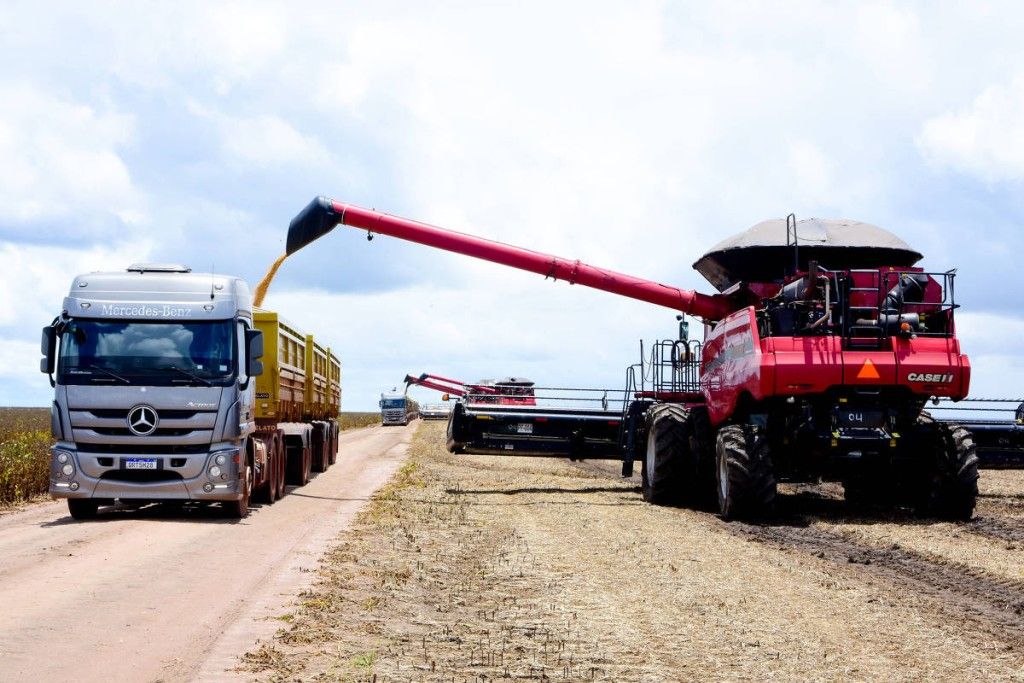
The Brazilian government issued a provisional measure introducing changes to the regulation of road cargo transportation in the country. The move revived tensions that had already surfaced in previous years, when a minimum freight floor policy was enacted and subsequently challenged by various players across the logistics chain.
For grain producers, the most immediate concern is the potential increase in the cost of moving output from farms to ports, storage facilities, and processing plants. With a large soybean and corn harvest projected for the current season, any additional pressure on freight rates translates directly into lower net margins at the farm gate.
Agribusiness representatives warn that the timing is particularly sensitive, as the market is already dealing with elevated freight demand and structural bottlenecks in rail and waterway infrastructure. Brazil's heavy reliance on road transport amplifies the regulatory impact on this segment, leaving producers with limited alternatives in the short term.
The debate is expected to intensify in the coming weeks as industry associations seek dialogue with government officials to assess the practical consequences of the measure. Farmers and cooperatives are closely monitoring developments, as the outcome could influence commercialization and storage strategies throughout the 2024/2025 crop season.
Original source
Read more at plantaonews.com.br ↗Content based on a public source. Rights to the original article belong to the cited outlet.