
New government decree on road freight raises concerns over grain logistics costs in Brazil
A newly issued provisional measure amending road cargo transport rules has reignited the debate over logistics costs in Brazilian agribusiness. Producers and exporters fear that changes to freight conditions could increase expenses for moving grains to port. The discussion comes at a sensitive time, with large harvests putting pressure on the country's transportation capacity.
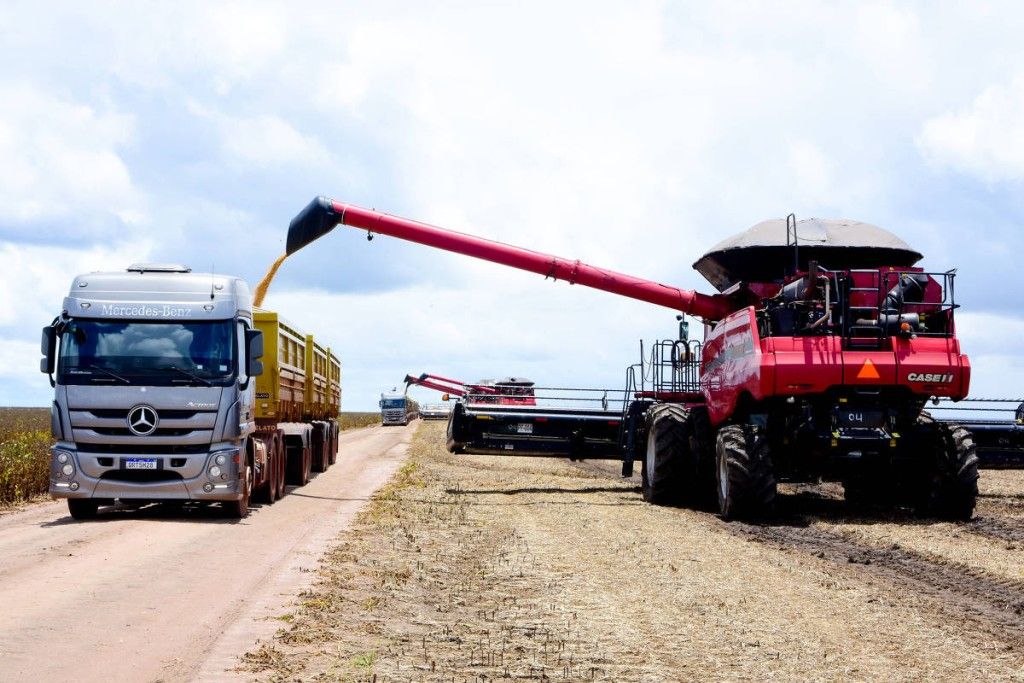
The Brazilian federal government has issued a provisional measure modifying aspects of road freight regulation, bringing logistics costs back to the center of the agribusiness agenda. For producers who rely on road transport to move soybeans, corn, and other commodities, any shift in freight rules translates directly into competitive pressure on domestic production.
The sector's main concern is that new requirements or changes to reference freight tables could raise transportation contract prices, squeezing producer margins and making Brazilian grain less competitive against rivals such as Argentina and the United States. Freight cost pressures are particularly acute in the Center-West and MATOPIBA regions, where long distances to port terminals already represent one of the biggest obstacles to profitability.
The debate surrounding the provisional measure is expected to intensify in the coming days, with agribusiness associations and trucking companies seeking dialogue with the government to assess the practical effects of the new rules. All players across the supply chain are advised to monitor negotiations closely, as potential freight cost adjustments could influence commercialization decisions and logistical planning for the remainder of the crop season.
Original source
Read more at RADAR DIGITAL BRASÍLIA ↗Content based on a public source. Rights to the original article belong to the cited outlet.