
Grain freight rates to northern Brazil surge, exposing persistent bottlenecks on the country's main inland export corridor
Trucking rates for grain shipments destined for the state of Pará have risen sharply, squeezing margins for producers who rely on the northern route to move their harvest. The spike highlights longstanding infrastructure deficiencies along the highway connecting Brazil's agricultural heartland to Arc North ports. Until road and multimodal investments catch up with growing production volumes, freight volatility is likely to remain a structural challenge.
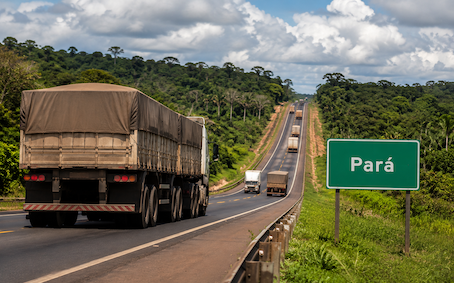
The sharp rise in freight costs toward Pará reflects a persistent mismatch between available logistics capacity and the ever-growing grain output from the Cerrado and Matopiba regions. During harvest peaks, truck demand consistently outpaces supply, pushing rates higher and eroding the price competitiveness of Brazilian grain on international markets.
The highway linking the country's interior to northern port terminals still features stretches with inadequate paving, making them prone to closures during the rainy season. Carriers are forced to factor in higher maintenance costs, extra fuel consumption, and idle time at bottlenecks, ultimately passing those expenses on to farmers through elevated freight quotes.
Industry analysts argue that the Arc North corridor can only fulfill its promise as a cost-effective alternative to the southern route if coordinated investments are made across roads, railways, and storage terminals throughout the supply chain. Without such improvements, the theoretical freight savings offered by the northern route will continue to be partially offset by inefficiencies on the overland leg.
For grain producers, the current environment underscores the value of forward planning, including locking in freight contracts outside peak harvest windows and exploring longer-term agreements with carriers to reduce exposure to the tariff swings that have characterized recent months.
Original source
Read more at Transporte Moderno ↗Content based on a public source. Rights to the original article belong to the cited outlet.