
Grain freight costs remain high across Brazil with notable regional disparities
Road freight rates for grain transportation in Brazil continue to weigh on producers, with no clear sign of short-term relief. Regional differences in pricing add further pressure, particularly affecting farmers in areas far from major ports and logistics corridors.
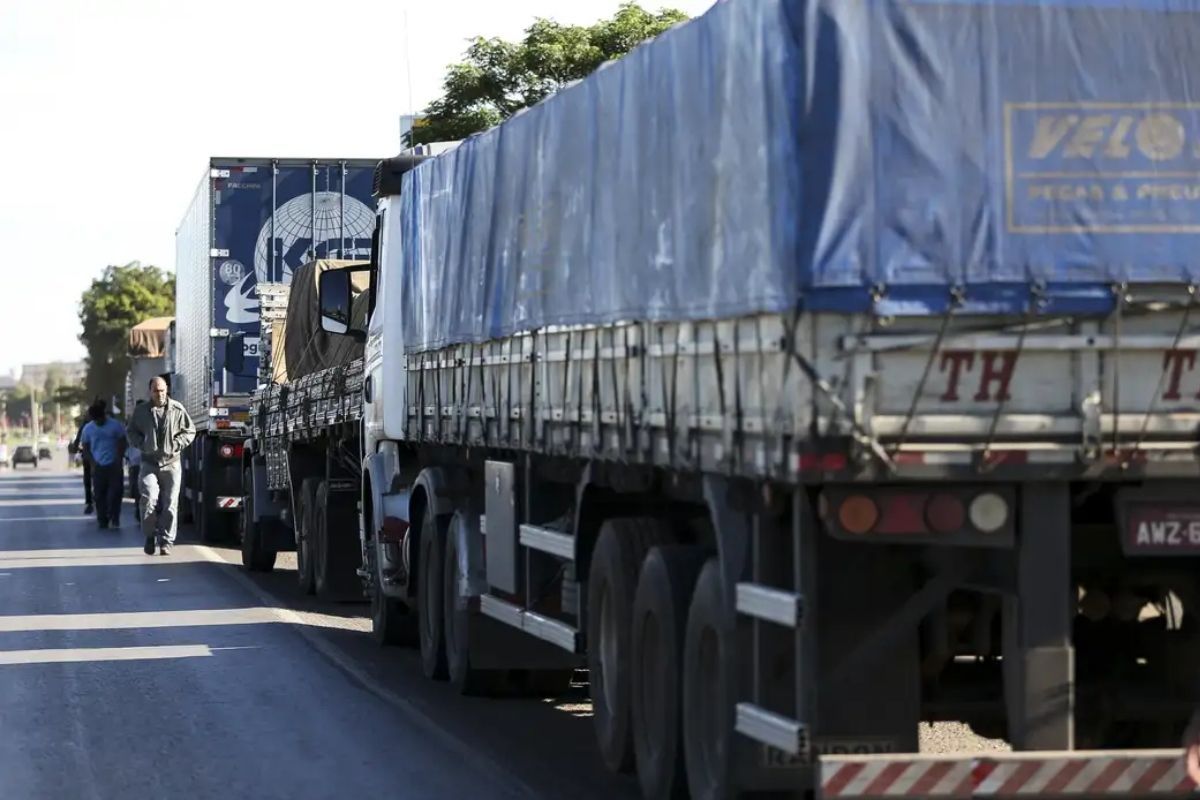
Agricultural commodity transportation costs in Brazil remain elevated, driven by strong demand during the harvest shipping season, limited truck availability in certain regions, and persistent structural challenges within the country's logistics network. These pressures directly reduce profit margins for rural producers, especially those operating in agricultural frontier areas.
Regional price gaps are substantial. Producers in the center-north of Brazil, including Mato Grosso and the MATOPIBA region, face freight rates significantly higher than those in states closer to southern and southeastern port terminals. This imbalance undermines the price competitiveness of Brazilian grain in international markets.
For producers, careful logistics planning is essential in the current environment. Securing freight contracts in advance, exploring alternative transport modes such as rail and waterways where available, and tracking official freight indices published by Brazil's land transportation regulator ANTT are practical steps that can help mitigate the financial impact.
Over the medium term, the sector anticipates that infrastructure investments, including railway expansion and port modernization, will gradually reduce regional imbalances. Until those improvements materialize, freight costs remain one of the most significant risk factors affecting the competitiveness of Brazil's grain production.
Original source
Read more at Primeira Página ↗Content based on a public source. Rights to the original article belong to the cited outlet.