
Freight costs erode corn profitability for farmers in Mato Grosso do Sul
Corn producers in the Brazilian state of Mato Grosso do Sul are facing severe logistical pressure, with transportation costs potentially consuming up to 60% of the grain's market value. Heavy reliance on road transport and long distances to export ports are the main factors squeezing farm margins.
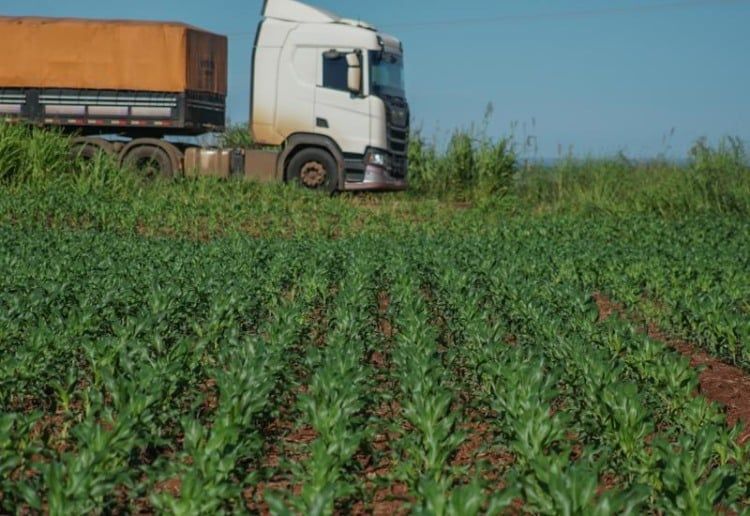
The cost of moving corn from Mato Grosso do Sul to market has become one of the most significant barriers to the crop's competitiveness in the state. Estimates indicate that freight expenses can absorb as much as 60% of the price received by the producer, a ratio that makes the activity economically unviable during periods of lower commodity prices.
This situation reflects a structural challenge in the region: the lack of efficient multimodal infrastructure forces producers to rely almost entirely on road haulage to reach port terminals in southern and southeastern Brazil. The long distances involved drive up operating costs and weaken farmers' negotiating power with buyers.
Industry analysts warn that without meaningful progress in railway and waterway development across the Center-West region, the farm-gate price differential for Mato Grosso do Sul producers will continue to lag behind states with better logistical positioning. The scenario underscores the need for public investment in transport infrastructure and broader efforts to reduce the so-called Brazil Cost in agribusiness.
For individual producers, the current environment demands careful attention to marketing strategies, including identifying price windows that offset the weight of freight in the profitability equation. Diversifying sales destinations and locking in forward contracts early may help reduce the logistical burden on final margins.
Original source
Read more at A Crítica de Campo Grande ↗Content based on a public source. Rights to the original article belong to the cited outlet.