
Egg producers' purchasing power hits lowest point of the semester amid cost pressure
The purchasing power of egg producers fell to its weakest level of the first half of the year, driven by a widening gap between high production costs and subdued wholesale egg prices. The squeeze on margins reflects the persistent weight of feed costs on poultry operations.
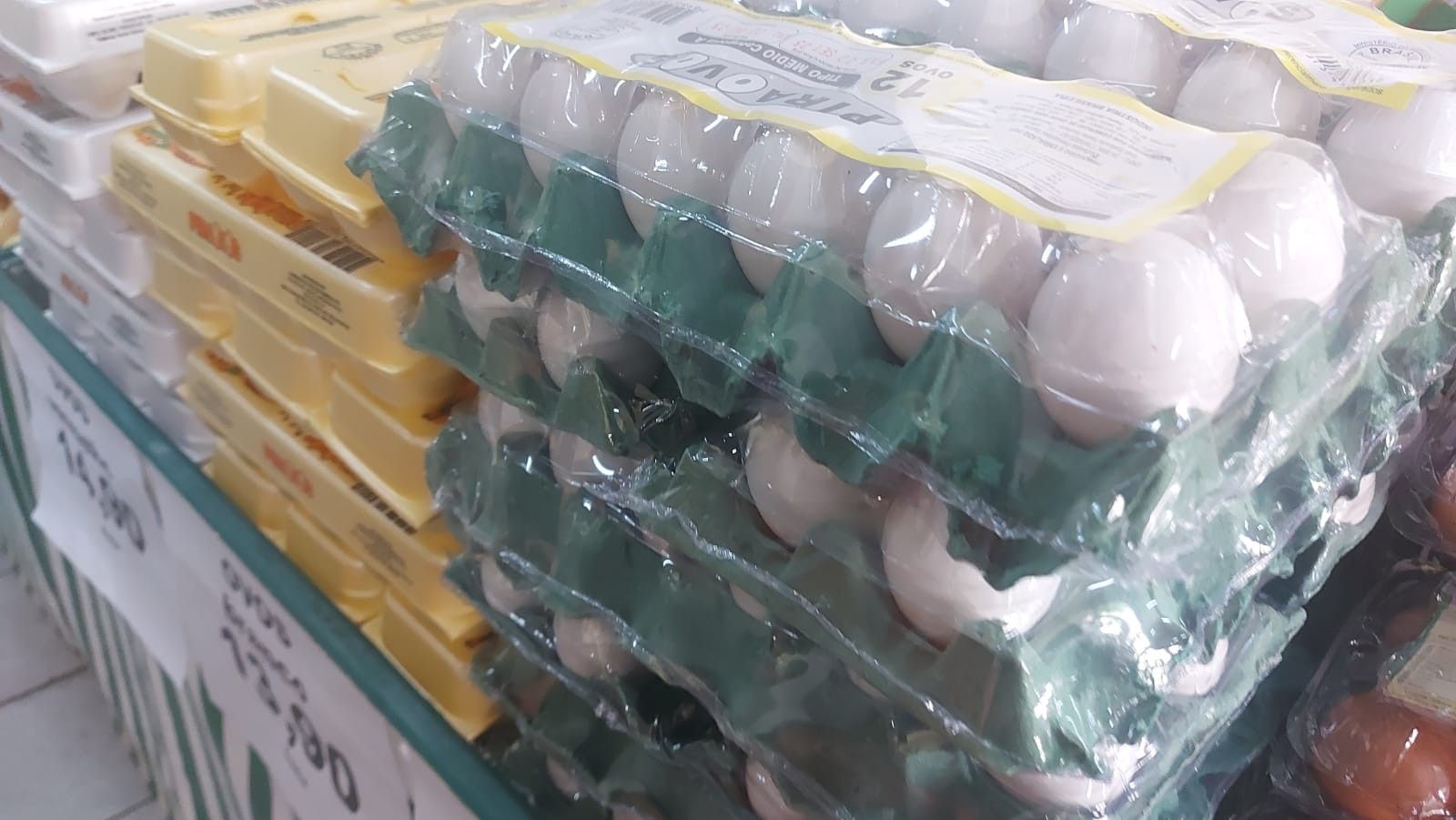
The egg-laying sector is navigating a challenging financial environment. The index that tracks the purchasing power of poultry farmers — measured by the ratio between egg prices received and input costs, particularly feed — dropped to its lowest reading of the period, pointing to a clear erosion of profitability across the segment.
Corn, the main ingredient in poultry feed, remains the primary cost driver weighing on producers. Despite some intermittent price relief, corn quotations are still high enough to keep feed costs elevated, directly compressing the operating margins of laying hen operations.
On the revenue side, wholesale egg prices have not risen in line with input costs, creating a lag that erodes net returns at the farm level. Smaller-scale producers are particularly vulnerable to this kind of margin compression, as they have less capacity to spread fixed costs across larger volumes.
The situation underscores the importance of closely monitoring cost-to-revenue ratios in poultry farming. Where possible, locking in input contracts during periods of greater market liquidity can help reduce exposure to short-term price swings and protect operational cash flow.
Original source
Read more at G1 ↗Content based on a public source. Rights to the original article belong to the cited outlet.