
Brazilian industry federation rejects the way freight provisional measure was drafted
The Federation of Industries of the State of São Paulo voiced strong opposition to the process behind the provisional measure regulating road freight in Brazil. The entity argues that the productive sector was excluded from meaningful consultations during the drafting phase. For agribusiness, which relies heavily on road transport to move harvests, the controversy raises concerns about potential increases in logistics costs.
Brazil's leading industrial federation signaled dissatisfaction with the political and technical handling of the provisional measure governing road freight rules. The core criticism centers on the lack of broad consultation with economic stakeholders, which, according to the entity, undermines the quality and enforceability of the final text.
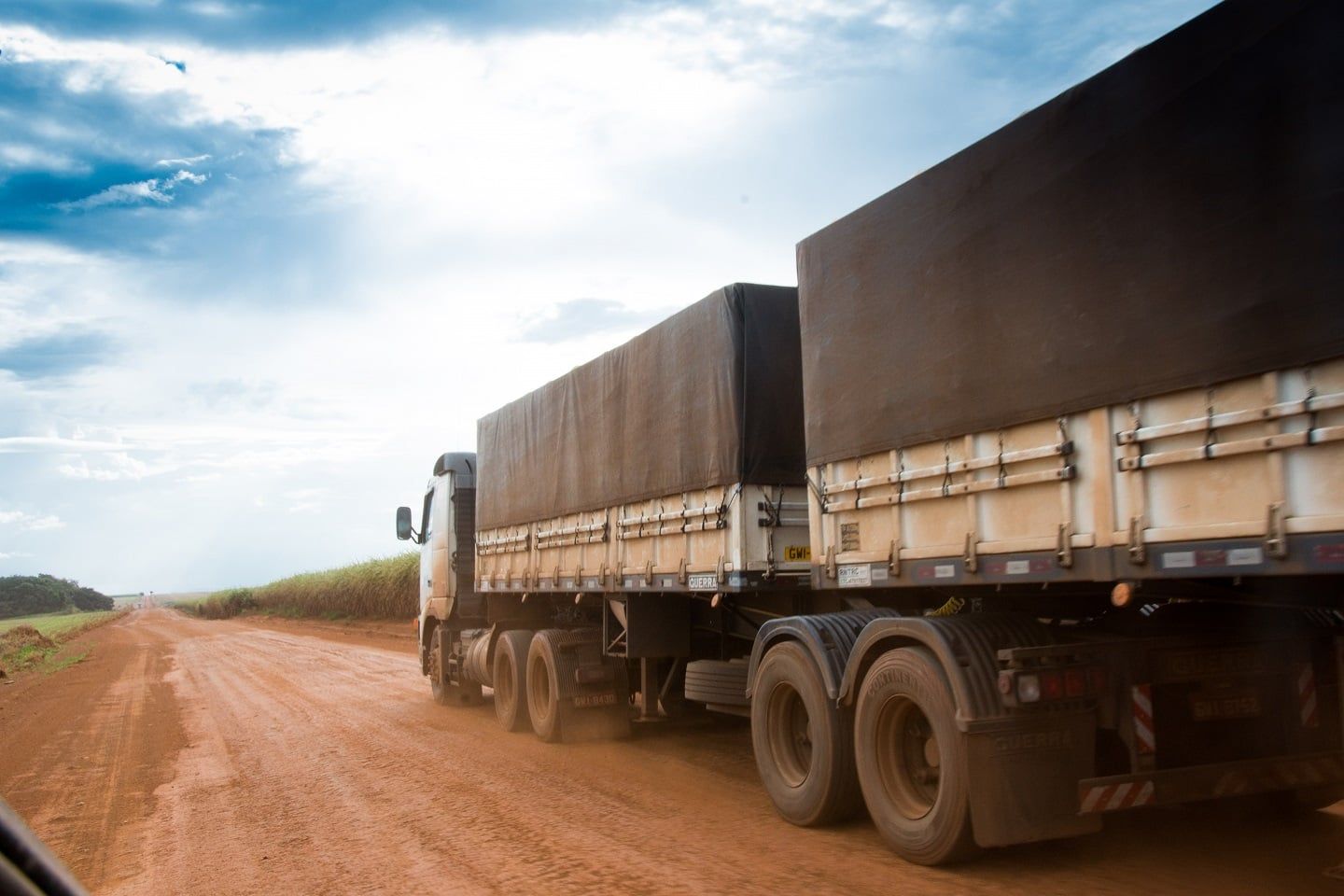
For the agricultural sector, any shift in freight regulations has a direct impact on production competitiveness. Brazil still relies heavily on road transport to move grains, inputs, and processed goods from farms to processing plants and export ports, making transportation costs a decisive factor in farm-gate price formation.
The debate over the freight provisional measure revives a discussion that intensified after the 2018 truckers' strike, when the federal government established a minimum floor price for cargo transport. Since then, the issue has remained contentious, with carriers, shippers, and industry groups frequently on opposing sides of negotiations.
Farmers and cooperatives should monitor the outcome of this institutional dispute closely. Changes to freight compensation rules could affect long-term contracts and squeeze already tight margins, particularly in regions far from the country's main logistics corridors.
Original source
Read more at Notícias Agrícolas ↗Content based on a public source. Rights to the original article belong to the cited outlet.