
Brazilian freight regulation expected to raise operational costs for agribusiness, farm federation warns
The agricultural federation representing São Paulo state farmers projects that minimum freight rate legislation will put upward pressure on agribusiness costs. The measure is expected to affect the transportation of both inputs and harvested commodities. Producers and cooperatives are advised to factor this variable into their financial planning.
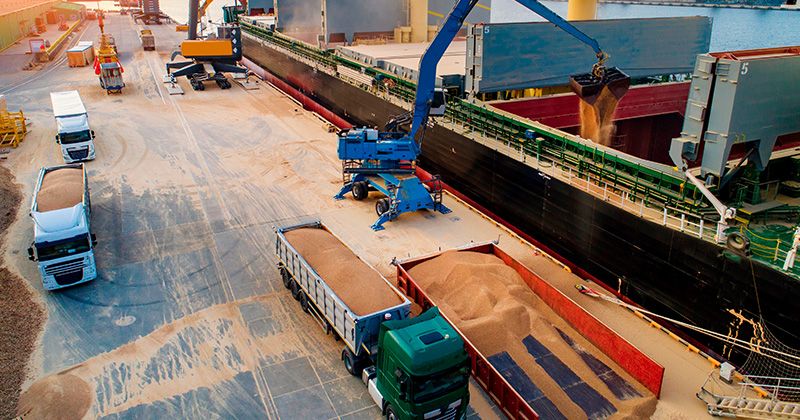
Minimum floor pricing rules for road freight continue to stir debate across Brazil's agricultural sector. The federation representing São Paulo farmers anticipates that the regulation could meaningfully increase transportation costs for grains, inputs, and other farm goods, directly squeezing rural producers' margins.
The minimum tariff mechanism was originally designed to secure a baseline income for independent truck drivers, but it has broad implications for agribusiness logistics, which relies heavily on road transport to move production to ports, storage facilities, and processing plants. Any structural increase in freight costs ripples through the entire supply chain, from the farm gate to the export terminal.
For rural producers, the situation calls for greater attention when closing sales contracts and planning input costs for the upcoming season. Negotiating freight terms in advance and exploring alternative logistics options, such as rail transport or regional storage hubs, may help offset part of the cost pressure.
The regulatory discussion surrounding the freight law remains open, with ongoing negotiations among the government, carriers, and agribusiness representatives. Closely monitoring the outcome of these talks is essential for the sector to position itself strategically ahead of any changes to transportation rules.
Original source
Read more at MundoLogística ↗Content based on a public source. Rights to the original article belong to the cited outlet.