
Brazilian freight policy bill nears Senate vote, raising concerns for agricultural sector
A provisional measure regulating road freight transportation is approaching a final vote in Brazil's Senate, drawing close attention from farmers and grain exporters. The agricultural sector fears that new freight rules could raise logistics costs and weaken the competitiveness of Brazilian exports. The outcome of the vote may directly affect how efficiently crops are moved to ports in the coming months.
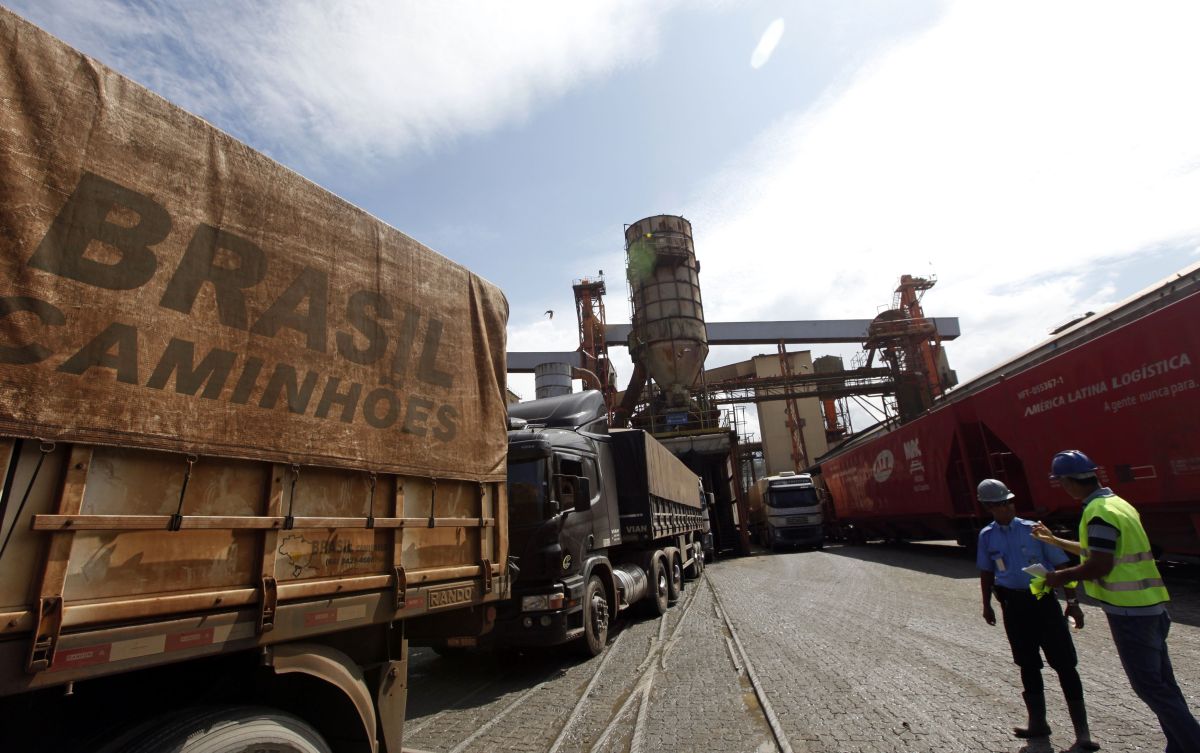
Brazil's Senate is in the final stages of deliberating a provisional measure that sets rules for road freight transportation, and the agribusiness sector is watching the process carefully. Agriculture is one of the largest users of road transport in the country, relying heavily on this mode to move production from farms to ports and domestic markets.
The main concern among producers and agricultural associations is that the approved regulation could impose conditions that raise freight costs, squeezing already tight margins in farming. In years of large harvests, any increase in transportation expenses can erode profitability and reduce the price competitiveness of Brazilian grains on the global market.
Brazil continues to face structural bottlenecks in logistics, with an outsized dependence on road transport and infrastructure that has not kept pace with the growth of agricultural output. In this context, rules governing carrier compensation have a direct effect on the final cost per tonne transported.
Producers and cooperatives are awaiting the final text to assess the operational and financial impact on their businesses. The expectation is that the Senate will seek a balance that ensures fair pay for truckers without placing a disproportionate burden on those who hire their services.
Original source
Read more at CNN Brasil ↗Content based on a public source. Rights to the original article belong to the cited outlet.