
Brazil's Lower House tightens rules on minimum freight rate floor
Brazil's Chamber of Deputies passed a provisional measure strengthening enforcement of the mandatory minimum road freight rate, a policy originally introduced in 2018 to protect independent truck drivers. The change has direct implications for the agricultural sector, which relies heavily on road transport to move grain to ports and processing facilities. Producers and trading companies should monitor developments closely as the bill moves to the Senate.
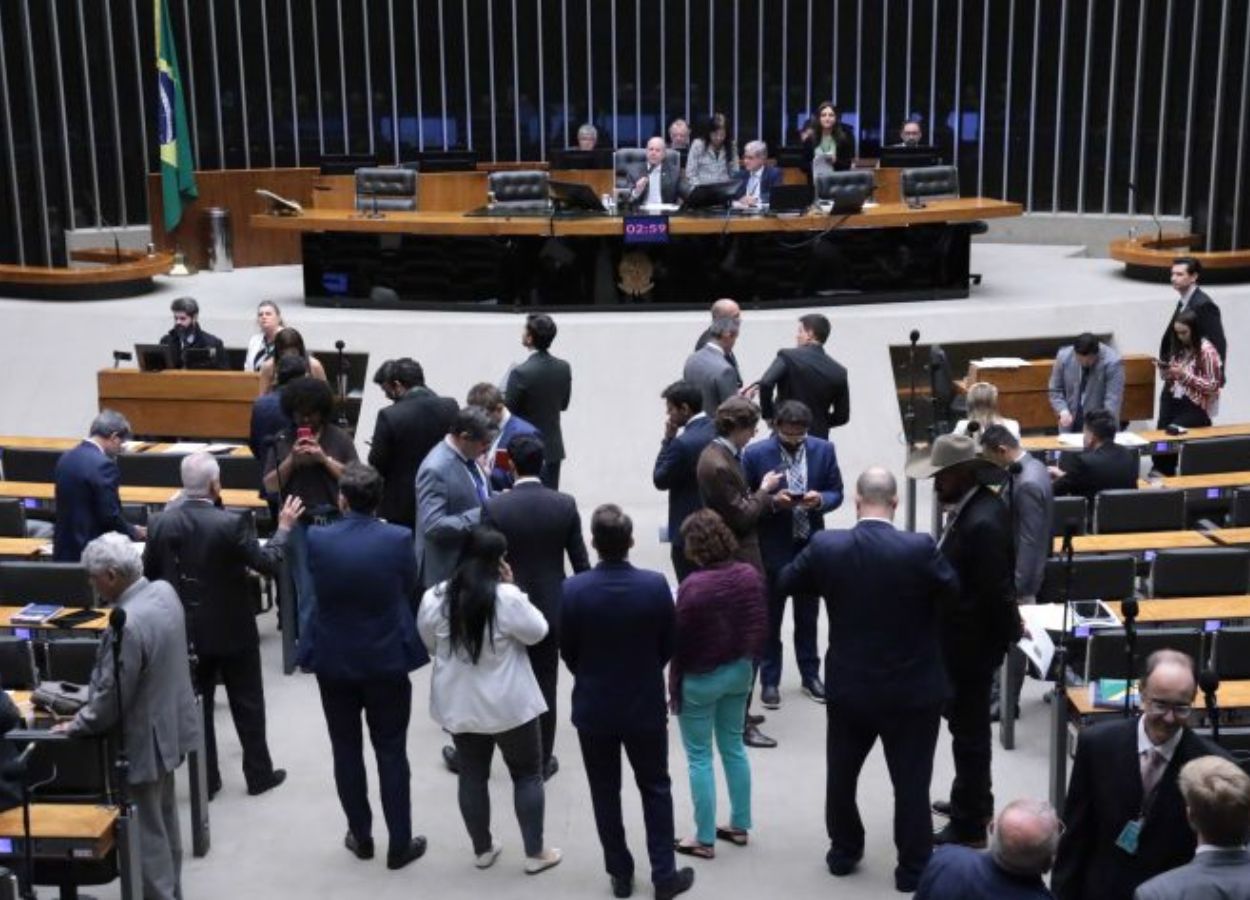
Brazil's Chamber of Deputies approved a provisional measure imposing stricter requirements on compliance with the mandatory minimum road freight rate. The policy, established in 2018 following a nationwide truckers' strike, sets floor prices for road haulage based on cargo type and distance. The new legislation is expected to increase penalties for shippers and freight contractors who fail to meet the established minimums.
For the agricultural sector, the issue carries significant weight. Road transport still accounts for the majority of grain movement in Brazil, particularly in the Center-West and MATOPIBA regions, where rail and waterway infrastructure remains underdeveloped. Any tightening of freight regulations directly affects the cost of delivering soybeans, corn, and other commodities to export terminals, squeezing margins when international prices are under pressure.
The approved text now moves to the Federal Senate for review. If confirmed, the freight market could see rate adjustments, especially during peak harvest periods when truck demand surges and below-floor negotiations have historically drawn regulatory scrutiny. Producers and cooperatives are advised to monitor the bill's progress and review logistics contracts in advance of the next crop cycle.
The measure reflects ongoing tensions between the autonomous trucking sector and large agricultural shippers, a dispute that has shaped Brazil's freight regulatory environment since 2018. The ultimate impact on the country's logistics costs will depend on how enforcement is structured and whether the Executive Branch chooses to revise the floor values by decree.
Original source
Read more at Revista Cultivar ↗Content based on a public source. Rights to the original article belong to the cited outlet.