
Brazil's Freight Decree Signed into Law, Raising Concerns Over Agri Logistics Costs
Brazil's President Lula signed a provisional measure overhauling rules for road freight transport, prompting concern across the agricultural sector. Producers and exporters fear the changes will push up logistics costs at a time when margins are already under pressure. The potential impact on soybean and corn flow to ports is the main point of attention.
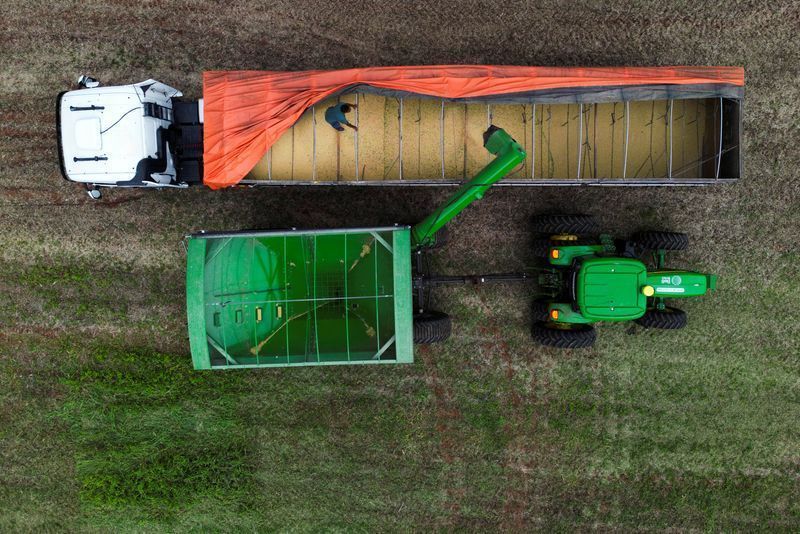
The federal government's signing of the so-called Freight Provisional Measure reignites the debate over road transport cost structures in Brazil. The decree modifies compensation and operating conditions for truck drivers, and the agribusiness sector, which relies heavily on road transport to move crops to ports and storage facilities, is watching developments closely.
Producers and trading companies assess that any upward adjustment in freight rates directly affects the competitiveness of Brazilian grain in export markets. With large soybean and corn harvests projected, logistics costs carry significant weight in determining the final farmgate price received by producers.
The logistics sector is awaiting the measure's full regulation to gauge the scale of the impact. In the meantime, transport operators and shippers are working to adjust contracts and outflow strategies to limit potential cost increases ahead of the peak harvest period.
The episode reinforces the broader structural debate about Brazilian agriculture's dependence on road transport and the need to expand the role of railways and waterways in the country's logistics matrix, alternatives that could reduce the sector's vulnerability to shifts in freight regulations.
Original source
Read more at CNN Brasil ↗Content based on a public source. Rights to the original article belong to the cited outlet.