
Wheat prices drop on global markets but tight domestic supply keeps Brazilian quotes elevated
The decline in wheat prices on international exchanges has not translated into relief for Brazilian buyers, as limited local availability continues to prop up domestic quotations. A below-average harvest season in southern Brazil and structural import dependency are the main drivers of this disconnect. Processors and end-users remain exposed to elevated input costs.
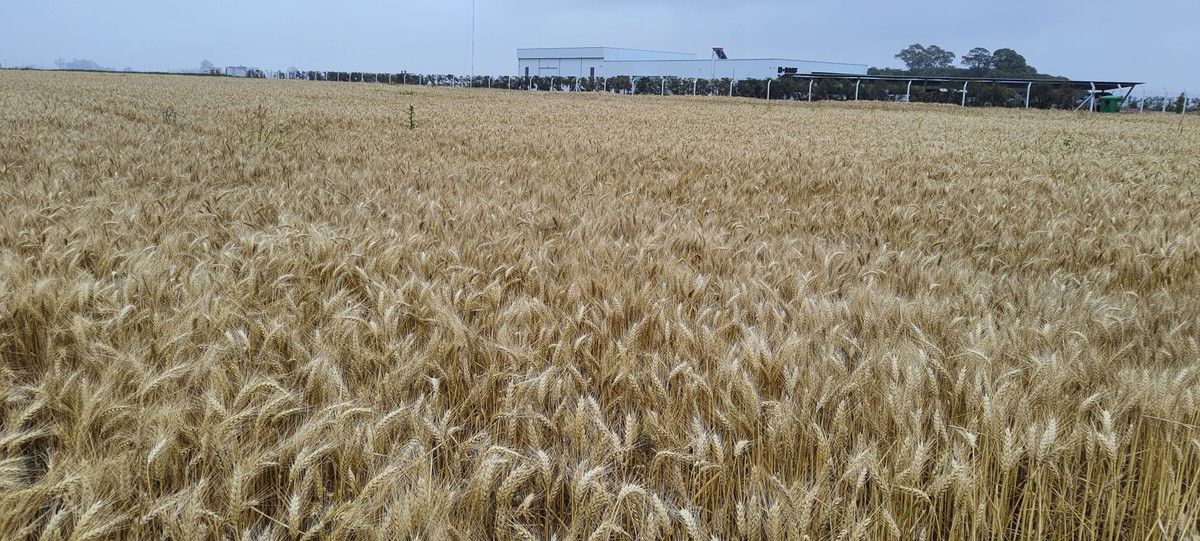
International wheat benchmarks have been trending lower, driven by improved crop outlooks in key northern hemisphere producing regions and speculative positioning on global exchanges. In Brazil, however, the domestic market is moving in the opposite direction, sustained by tight supply following a season in which output in the main southern states fell short of its potential.
Brazil's reliance on imported wheat, chiefly from Argentina, adds an additional layer of uncertainty to local supply dynamics. Exchange rate fluctuations or disruptions to import flows can quickly translate into tighter availability and higher costs for the milling, bakery, and pasta industries that depend on the grain.
For producers still holding stocks from the last harvest, the current environment may offer a window of opportunity to capture better prices before new supply enters the market. Analysts advise monitoring Argentine production conditions closely, as well as planting developments in Paraná and Rio Grande do Sul, which account for the bulk of Brazil's domestic wheat output.
Over the medium term, the gap between international and domestic prices is likely to narrow only as fresh local and imported supply reaches the market in greater volume. Until that point, scarcity should continue to act as a price floor for wheat traded within Brazil.
Original source
Read more at Globo Rural ↗Content based on a public source. Rights to the original article belong to the cited outlet.