
Wheat prices climb in Brazil driven by international market pressures
Wheat prices in Brazil have moved higher in recent sessions, tracking gains seen on major international exchanges. Adverse weather conditions and geopolitical tensions in key producing regions have tightened global supply expectations, feeding through to the domestic market. Farmers and buyers should monitor these developments closely when planning their commercialization strategies.
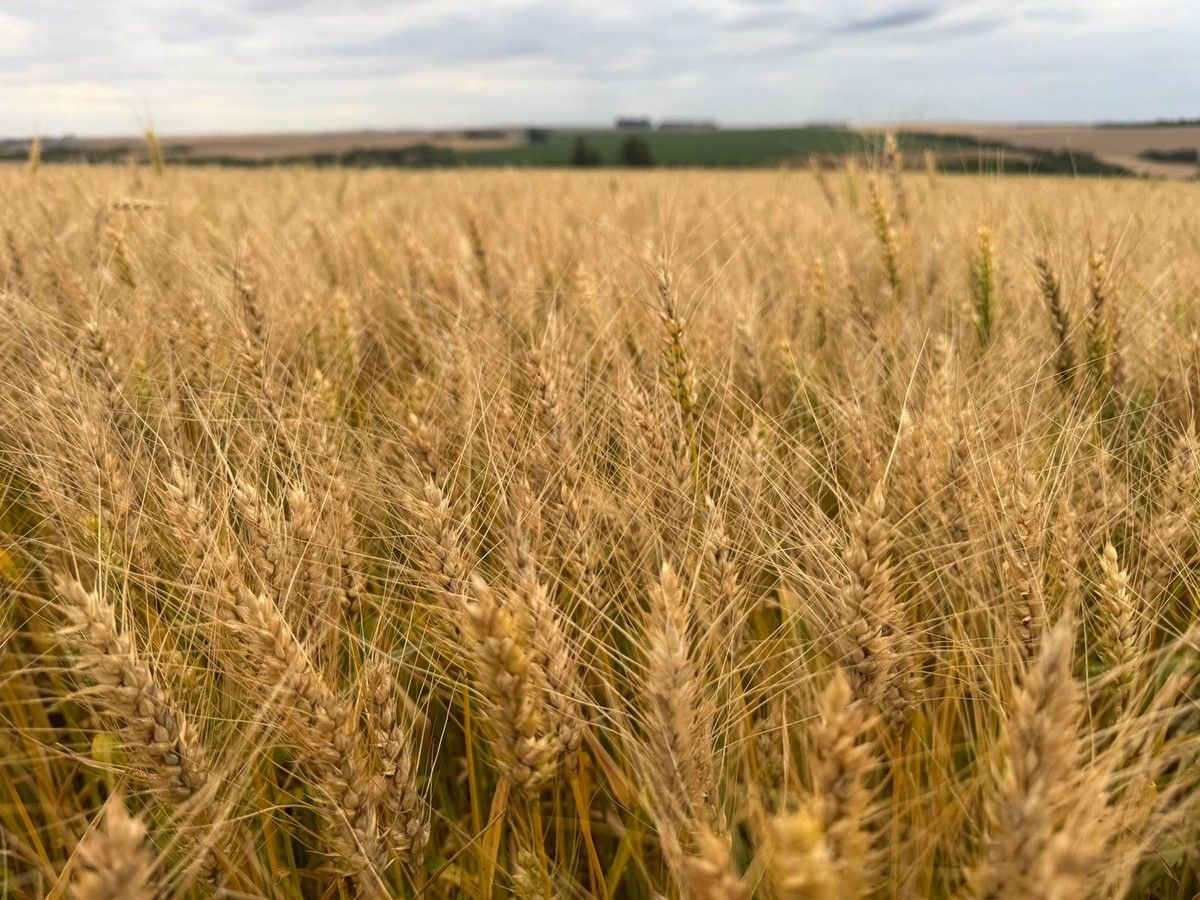
Brazilian wheat prices have come under renewed upward pressure, mirroring movements on international benchmarks such as the Chicago Board of Trade and the Euronext exchange in Paris. Unfavorable weather in major exporting countries and ongoing geopolitical instability in Northern Hemisphere growing regions have trimmed global supply outlooks, a dynamic that quickly reaches Brazil given the country's reliance on imports to meet domestic consumption needs.
At the local level, the spillover from international markets is being felt in the main producing states of southern Brazil, particularly Paraná and Rio Grande do Sul. Flour mills and food processors, which require a steady supply of the grain, often accelerate purchases during upward price trends, a behavior that can add further momentum to domestic price increases in the near term.
For farmers still holding stocks from the last harvest or considering forward sales ahead of the upcoming crop, the current environment calls for careful attention. Exchange rate movements are a critical variable, since the dollar-to-real conversion rate directly affects the competitiveness of imported wheat against domestically grown grain. Any appreciation of the real could partially offset the gains observed in external markets.
Brazil's 2025 wheat crop is still in its development phase, and weather conditions over the coming weeks will be decisive in determining yield potential. Any shortfall in domestic production would deepen the country's dependence on imports and increase its exposure to swings in international prices.
Original source
Read more at Globo Rural ↗Content based on a public source. Rights to the original article belong to the cited outlet.