
Wheat futures slip in Chicago despite lingering supply concerns
Wheat prices on the Chicago Board of Trade moved lower in a recent session, even as concerns about production in key exporting regions remained on traders' radar. The decline suggests that demand-side factors and technical selling outweighed supply-risk sentiment in the short term. Brazilian wheat growers should keep a close eye on external volatility, as it directly shapes domestic pricing.
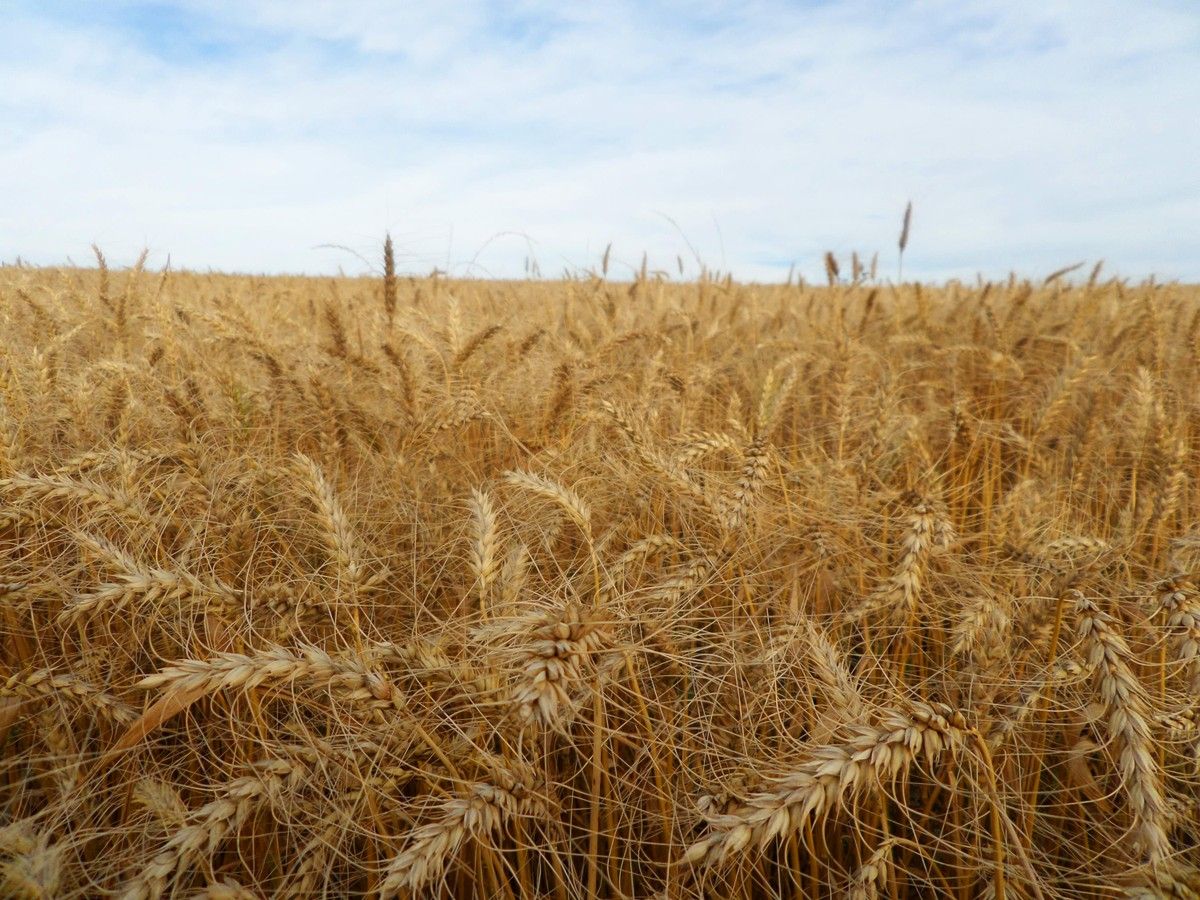
Chicago wheat futures retreated in a recent trading session, catching some market participants off guard given ongoing concerns about crop conditions in major northern hemisphere producing areas. The drop signals that traders are currently weighing other variables more heavily, including the pace of global purchases and the current state of world inventories.
The downward pressure may reflect a lack of significant new buyers in the international market, combined with a more measured assessment of the actual extent of crop damage. When demand fails to respond to supply fears, prices tend to ease even in the presence of potentially bullish headlines.
For Brazilian wheat producers, particularly those in the southern states, international price movements serve as an important benchmark for commercialization decisions. Pullbacks in global futures can reduce the competitiveness of domestic wheat relative to imported supplies, putting pressure on local prices.
The situation underscores the importance of closely monitoring weather developments in key producing regions such as the Black Sea basin and the United States, as well as tracking the Brazilian real-to-dollar exchange rate, which can either amplify or cushion the impact of external price swings on returns received by local growers.
Original source
Read more at Globo Rural ↗Content based on a public source. Rights to the original article belong to the cited outlet.