
Soybean export basis explained: the pricing component every grower should watch
The export basis is a key element of soybean pricing that measures the gap between port-level quotes in Brazil and the Chicago futures contract. This differential can be positive or negative and directly affects the net price farmers receive for their crop. Tracking it regularly gives producers a clearer picture of market conditions before committing to a sale.
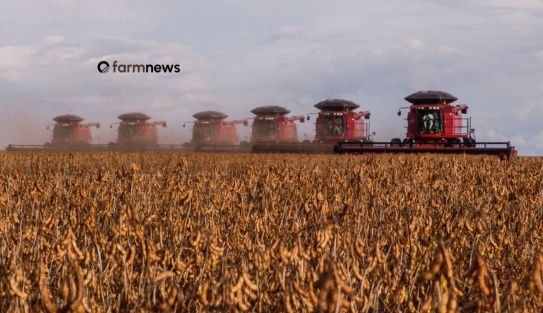
The price a Brazilian soybean farmer receives is shaped by three main variables: the Chicago Board of Trade futures price, the exchange rate, and the export basis. The basis represents the premium or discount applied at Brazilian ports relative to the CBOT reference, and it fluctuates according to global supply and demand dynamics. When international buyers are actively seeking Brazilian soybeans, the basis rises and adds value to the crop. When demand softens or competing origins offer better terms, the basis narrows or turns negative, squeezing farm-gate returns.
Several factors drive basis movements, including port logistics, vessel availability, competition from the United States and Argentina, and the purchasing appetite of trading companies. Because these conditions vary by region and delivery point, two farmers selling on the same day may receive different prices depending on which port serves as their reference and what basis is being offered there at that moment.
Monitoring the basis throughout the marketing season helps producers spot windows when conditions are more favorable for locking in sales. Historically, the Brazilian basis tends to strengthen between March and July, when the country dominates global soybean exports and Chinese and other importers concentrate their purchases on Brazilian origin.
Farmers who want to start incorporating this indicator into their marketing strategy can begin by checking daily FOB quotes at the ports of Paranaguá and Santos and comparing them with the nearby CBOT futures contract. Converting that difference into local currency per bag provides a practical, real-time reading of the basis and supports more informed commercialization decisions.
Original source
Read more at Farmnews ↗Content based on a public source. Rights to the original article belong to the cited outlet.