
Softer Argentine wheat prices push Brazilian mills toward cautious buying stance
A drop in Argentine wheat prices is prompting Brazilian flour mills to slow their purchasing pace as they wait for clearer market signals. The cautious approach reflects the processing sector's defensive posture amid regional grain volatility. Wheat growers and traders should closely monitor price developments over the coming weeks.
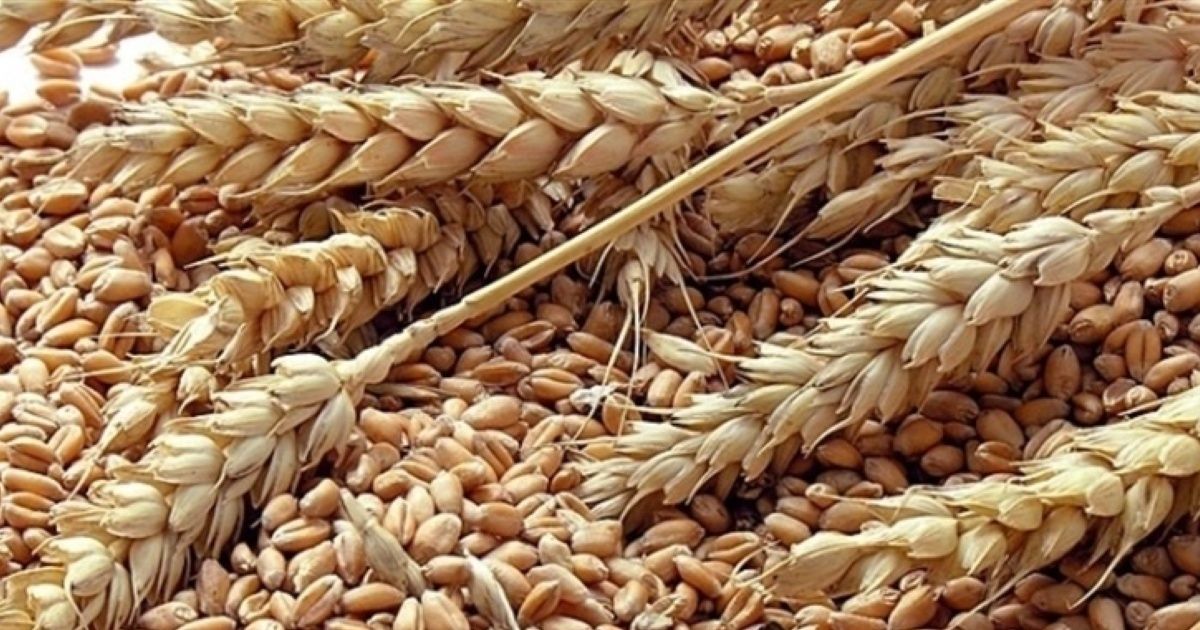
Recent declines in Argentine wheat quotations have added pressure to Brazil's grain market, with the South American neighbor remaining the country's primary external supplier. Faced with a downward price trend, domestic mills have chosen to ease their buying activity, preferring to hold off on new purchase commitments until values stabilize at a more predictable level.
This conservative stance from industrial buyers tends to ripple through the entire supply chain, affecting both prices offered to local Brazilian producers and ongoing negotiations for imported wheat. During periods of currency uncertainty and swings in international markets, it is common practice for industrial purchasers to delay decisions in order to avoid being left with stocks bought at comparatively higher prices.
For the Brazilian wheat farmer, the current environment calls for heightened vigilance. Competition from cheaper Argentine grain may compress domestic margins and weaken negotiating power in the near term. Tracking the evolution of Argentine supply and the exchange rate dynamics between the Brazilian real and the Argentine peso will be essential for fine-tuning sales and storage strategies.
Original source
Read more at Agrolink ↗Content based on a public source. Rights to the original article belong to the cited outlet.