
Record grain output sustains high freight rates and boosts transport demand across Brazil
An above-average harvest season is keeping agricultural freight rates elevated throughout Brazil as demand for haulage capacity intensifies. The logistical strain imposed by record production volumes is forcing producers and trading companies to plan their grain dispatch more carefully. Those farther from ports and rail terminals face the steepest cost pressures.
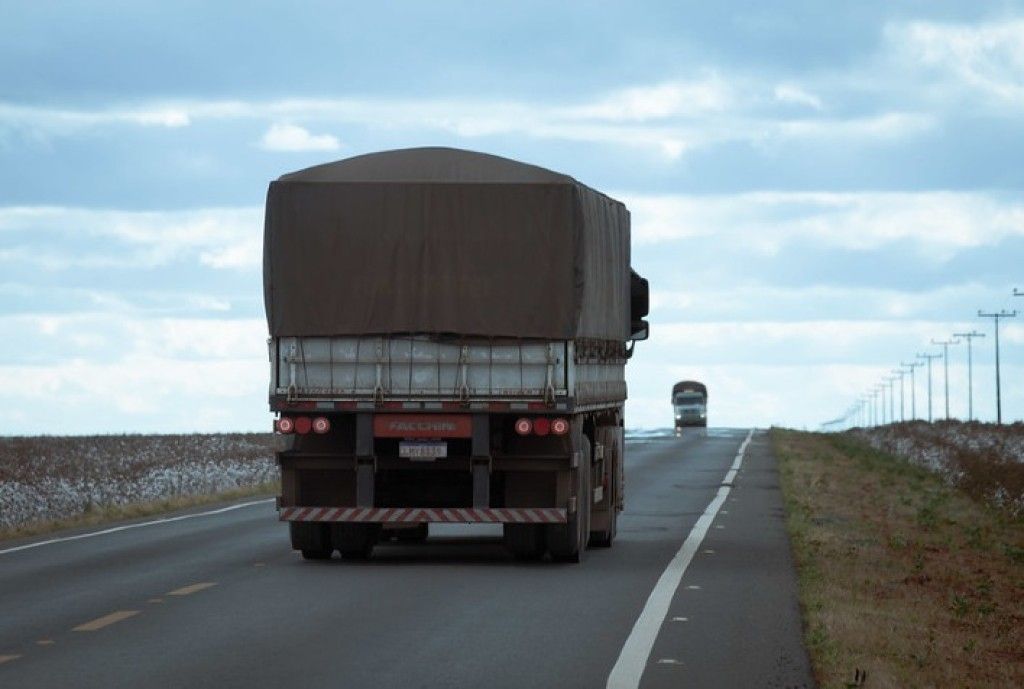
The strong grain output registered in the current crop cycle is placing significant strain on Brazil's transport network. With larger volumes competing for limited trucking and rail capacity within tight harvest windows, freight rates have remained high across major producing regions, squeezing margins for farmers at the point of sale.
The impact is felt most acutely in inland areas distant from export terminals, where the combination of long hauls and elevated tariffs erodes the net price received by growers. For operations with tight cash flow, the elevated logistics bill can offset a meaningful portion of the revenue gains from higher yields.
To navigate this environment, producers are advised to secure freight contracts in advance, explore multimodal alternatives where available, and track rate fluctuations closely throughout the marketing season. Early planning tends to provide both cost savings and greater certainty over delivery schedules.
Over the longer term, sustained investment in logistics infrastructure, particularly rail expansion and additional bulk-handling terminals, remains critical for Brazil to translate consecutive production records into lasting competitive advantages in global grain markets.
Original source
Read more at RADAR DIGITAL BRASÍLIA ↗Content based on a public source. Rights to the original article belong to the cited outlet.