
Rainfall in U.S. crop areas drives soybean prices higher on Chicago Board of Trade
Above-average rainfall across key U.S. growing regions pushed soybean futures higher on the Chicago Board of Trade. The market reacted to uncertainty over crop development conditions in the American Midwest. Brazilian farmers may find a strategic window to review their pricing and forward sales positions.
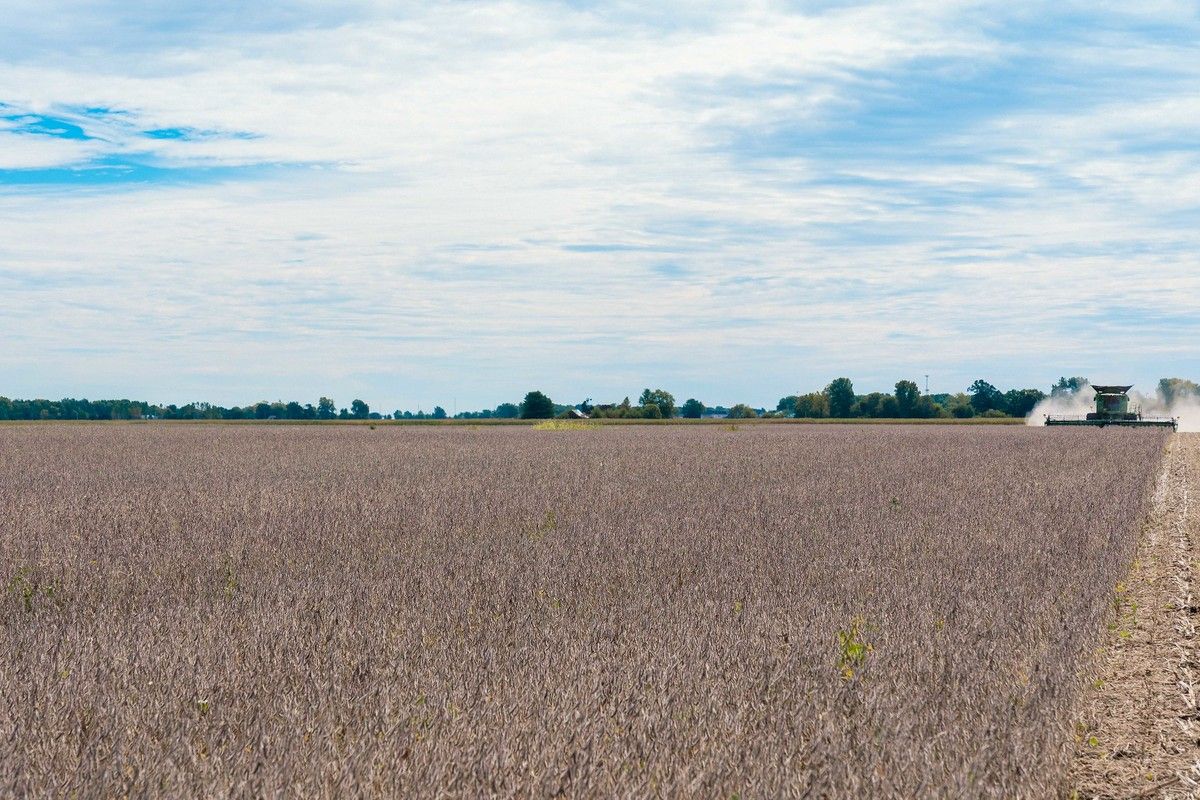
Weather conditions in the United States once again set the tone for international soybean trading. Heavier-than-expected rains falling over Midwestern crop areas raised concerns about plant development and potential yield variability, pushing futures contracts upward on the Chicago exchange.
This kind of reaction is typical during critical phases of the North American agricultural calendar, when climate deviations tend to amplify volatility in commodity markets. Traders are closely watching the USDA's weekly crop condition reports, which carry significant weight in shaping global supply expectations.
For Brazilian producers, the uptick in external prices may offer a favorable pricing opportunity, particularly for those holding unsold inventory or open positions for the 2025/26 crop season. However, the Brazilian real-to-dollar exchange rate remains a key variable in determining how much of the external rally actually translates into gains at the domestic level.
The situation underscores the value of working closely with a commercial advisor and basing selling decisions on a broad set of market indicators rather than reacting solely to short-term fluctuations in a single trading hub.
Original source
Read more at Globo Rural ↗Content based on a public source. Rights to the original article belong to the cited outlet.