
New railway corridor may lower grain freight costs in Brazil
A railway project under development in Brazil points to the possibility of significant reductions in agricultural commodity transportation costs. The initiative could benefit producers who rely on more expensive road transport to move their output to ports. Advances in logistics infrastructure are considered strategic for the competitiveness of Brazilian agribusiness in international markets.
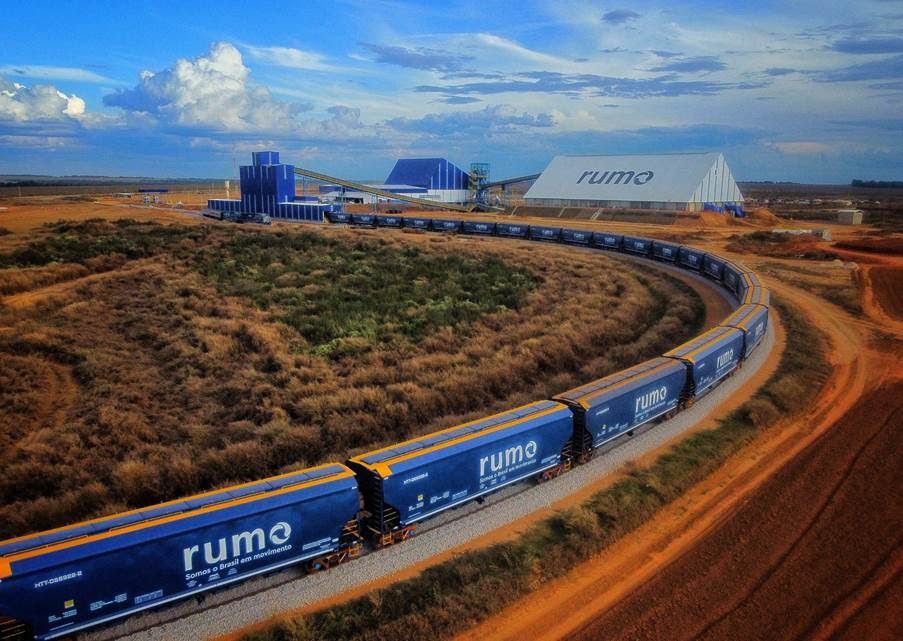
Brazil's grain transportation sector may gain a new asset with the expansion of the national railway network. Projects in this direction have been discussed as an alternative to reduce dependence on road transport, which accounts for the largest share of agricultural output movement and imposes high costs on producers, particularly in regions far from major export ports.
The development of new railways tends to directly impact farmers' margins, as freight represents a significant portion of total production costs. In harvests where commodity prices are under pressure, logistical efficiency can be the determining factor for the profitability of farming operations.
Industry specialists note that consolidating competitive rail corridors requires not only infrastructure investment but also adequate regulation and integration with other transport modes. The combination of rail, waterway, and port is seen as the most efficient model for large-scale grain flow.
Producers and cooperatives are closely monitoring the progress of these initiatives, as lower logistics costs could enhance the competitiveness of Brazilian grain against rivals such as Argentina and the United States, which already have more developed and integrated transport networks.
Original source
Read more at Via Trolebus ↗Content based on a public source. Rights to the original article belong to the cited outlet.