
Middle East instability raises costs and disrupts shipping routes for Brazilian agribusiness
The escalation of conflicts in the Middle East is once again creating obstacles for the flow of Brazilian agricultural exports. Strategic maritime routes face operational restrictions, pushing freight rates higher and extending delivery timelines. The situation demands close attention from exporters and trading companies that rely on these corridors to reach Asian and European markets.
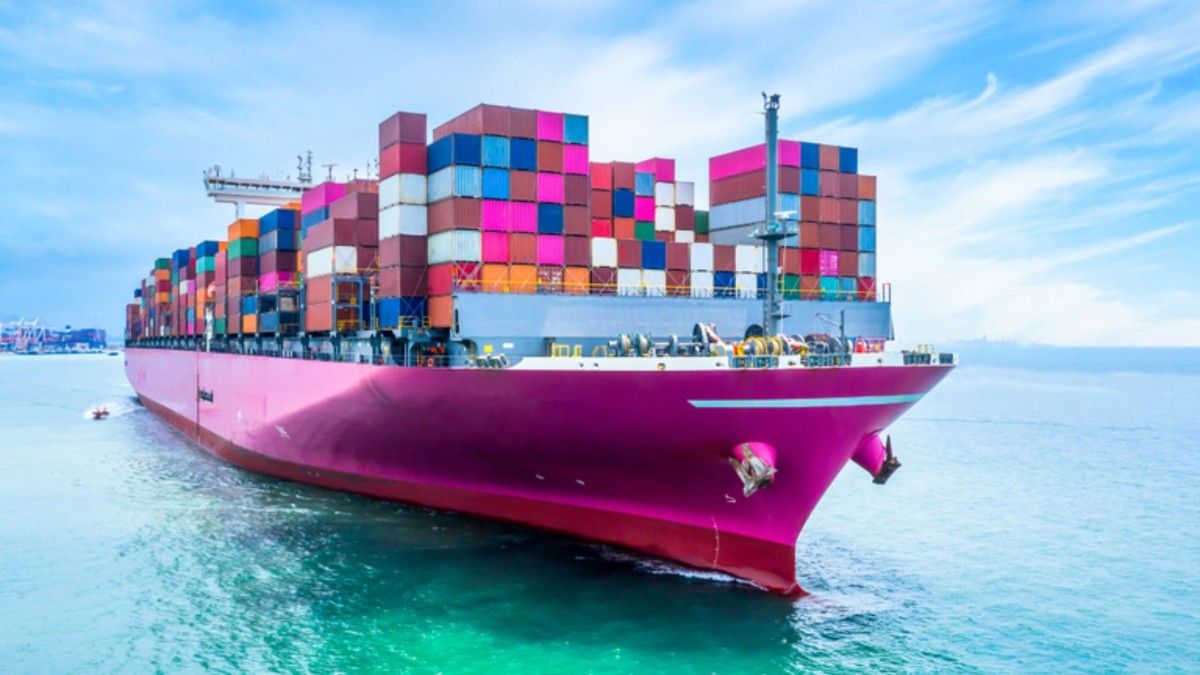
The worsening of geopolitical tensions in the Middle East is producing tangible effects on Brazil's agricultural export chain. Vessels that normally transit through strategic corridors such as the Red Sea and the Suez Canal are now facing security restrictions that complicate and increase the cost of logistics operations.
As route diversions become more frequent, transit times to destinations such as Europe and parts of Asia grow considerably. This translates into additional freight costs that, depending on the contract in place, may be absorbed by the Brazilian exporter, undermining the competitiveness of domestic products against rivals from other origins.
For the rural producer, the most immediate impact tends to surface in price formation and in the margins negotiated by trading companies. During periods of logistical uncertainty, international buyers often demand discounts or postpone purchasing decisions, which can put downward pressure on domestic commodity prices for soybeans, corn, and sugar.
Experts recommend that exporters monitor the situation closely and consider diversifying both routes and transport partners. Spreading shipments across multiple destinations and locking in freight contracts in advance may help offset some of the risks imposed by the current geopolitical environment.
Original source
Read more at Globo Rural ↗Content based on a public source. Rights to the original article belong to the cited outlet.