
Lower-quality wheat tightens supply for flour mills in southern Brazil
Wheat harvested in southern Brazil has shown deteriorated quality, limiting the volume available for industrial milling. The shortfall is pushing mills to compete for premium-grade lots or seek imports to meet processing needs. Producers holding stocks should assess grain quality carefully before closing deals in the current market.
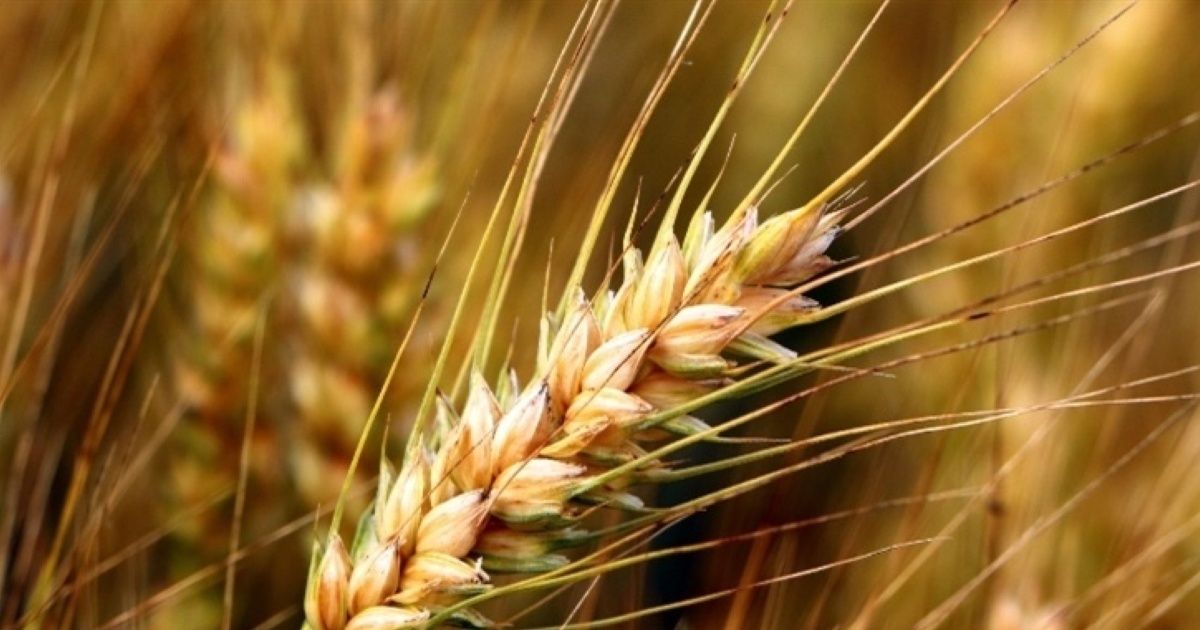
The wheat crop in southern Brazil is facing a significant post-harvest challenge as grain quality has fallen short of the standards required by the milling industry. Adverse weather conditions during the growing season, including excessive moisture and temperature swings, typically damage key quality indicators such as test weight and protein content, rendering a share of the harvested volume unsuitable for high-grade flour production.
With the supply of milling-quality wheat constrained, regional mills are competing more intensely for lots that meet specifications, which is likely to support prices for premium-grade grain. At the same time, the industry is evaluating imports from Argentina or other origins to cover processing needs, an option that introduces additional freight costs and exposure to currency fluctuations.
For producers still holding stocks in warehouses, the current environment calls for a careful assessment of grain quality before entering negotiations. Lots that fall below minimum parameters are likely to face meaningful discounts or limited buyer interest. Conversely, those who managed to preserve crop quality hold a stronger bargaining position given the regional scarcity of milling-grade wheat.
Original source
Read more at Agrolink ↗Content based on a public source. Rights to the original article belong to the cited outlet.