
Live cattle, calf, corn and soybean prices in the first half of September 2026
Key Brazilian agricultural commodity prices were tracked during the first half of September 2026, offering important signals for livestock producers and grain farmers alike. The period is strategically relevant, coinciding with the tail end of the corn off-season and preparations for the upcoming soybean planting window. Monitoring these benchmarks is essential for sound marketing and herd restocking decisions.
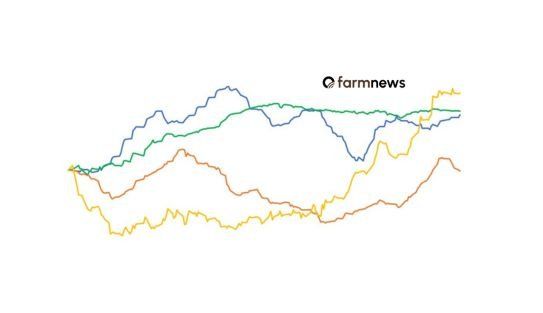
The live cattle market continued to serve as a key profitability indicator for beef producers, with prices reflecting the balance between the supply of finished animals and slaughterhouse demand driven by active export flows and domestic consumption. Regional differences across major trading hubs kept influencing the formation of the national average price.
In the cow-calf segment, calf prices tracked the movement of finished cattle closely, since restocking costs are directly tied to expectations of future profitability in the feedlot cycle. Producers need to carefully assess the live cattle-to-calf price ratio to determine whether purchasing young animals makes financial sense at current market levels.
For grains, corn and soybean prices were shaped by a combination of domestic fundamentals — including remaining stocks and currency movements — and external cues from international exchanges and South American supply dynamics. Corn remained under pressure from Central-West stock competition, while soybeans showed early movements linked to initial estimates for the 2026/27 crop season.
Producers who simultaneously track these four price references — live cattle, calves, corn and soybeans — gain an integrated view of production costs and expected margins, enabling more informed decisions on both sales and input or animal purchases throughout the month.
Original source
Read more at Farmnews ↗Content based on a public source. Rights to the original article belong to the cited outlet.