
Key drivers behind soybean and corn prices for Brazilian farmers
The price of soybeans and corn received by Brazilian farmers is shaped by a combination of global and domestic forces that go well beyond simple supply and demand. Exchange rates, logistics costs, international futures markets, and seasonal harvest patterns all play a role. Understanding these dynamics helps producers make more informed marketing decisions.
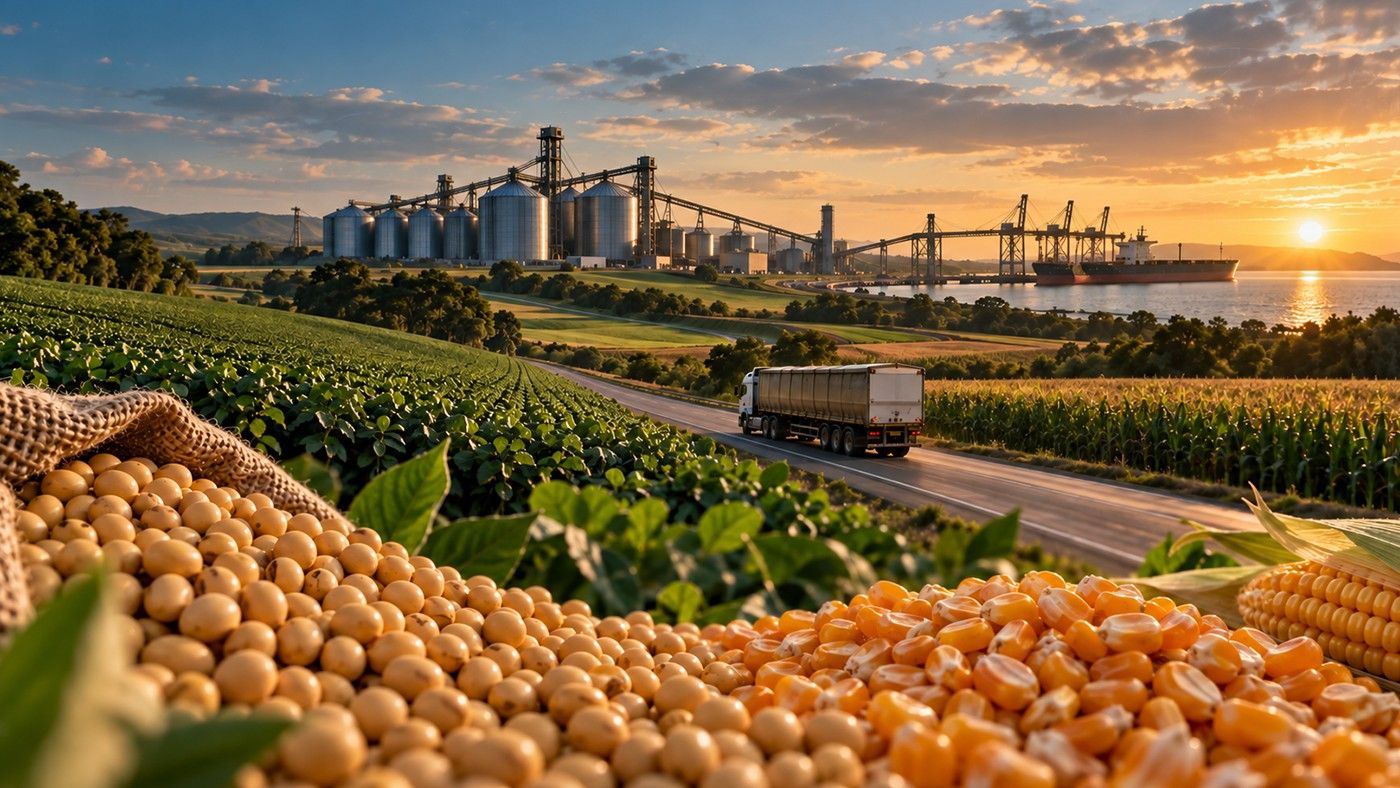
The price a farmer receives per bag of soybeans or corn is not determined by a single variable. It reflects a formula that combines Chicago Board of Trade futures prices, the Brazilian real-to-dollar exchange rate, and export premiums, which capture the specific appetite of international buyers for Brazilian grain at any given time.
The exchange rate is among the most influential of these factors. A weaker real makes dollar-denominated commodities more competitive abroad, which can lift export premiums offered by trading companies and ultimately improve the farm-gate price. The opposite movement compresses that advantage, even when Chicago prices remain stable.
Freight and storage costs also chip away at the gross value of international benchmarks before that value reaches the farm. Producers located far from major export hubs such as Santos, Paranaguá, or the Arc of the North corridor in the Amazon region face a steeper logistical discount, underscoring the value of forward contracting and exploring multiple marketing channels.
Harvest seasonality adds another layer of complexity, as prices tend to soften when supply peaks. Tracking the harvest calendar, monitoring global supply-and-demand fundamentals, and following currency movements in real time are practical steps that allow producers to spot more favorable pricing windows and protect their margins.
Original source
Read more at G1 ↗Content based on a public source. Rights to the original article belong to the cited outlet.