
Imported wheat prices reach their highest level in over two years in Brazil
Imported wheat in Brazil has surged to its highest price point in more than two years, according to data tracked by Cepea. The rally reflects a combination of international supply pressures and currency dynamics that are driving up costs across the domestic milling chain. Market participants are advised to monitor price movements closely when making purchasing or forward-selling decisions.
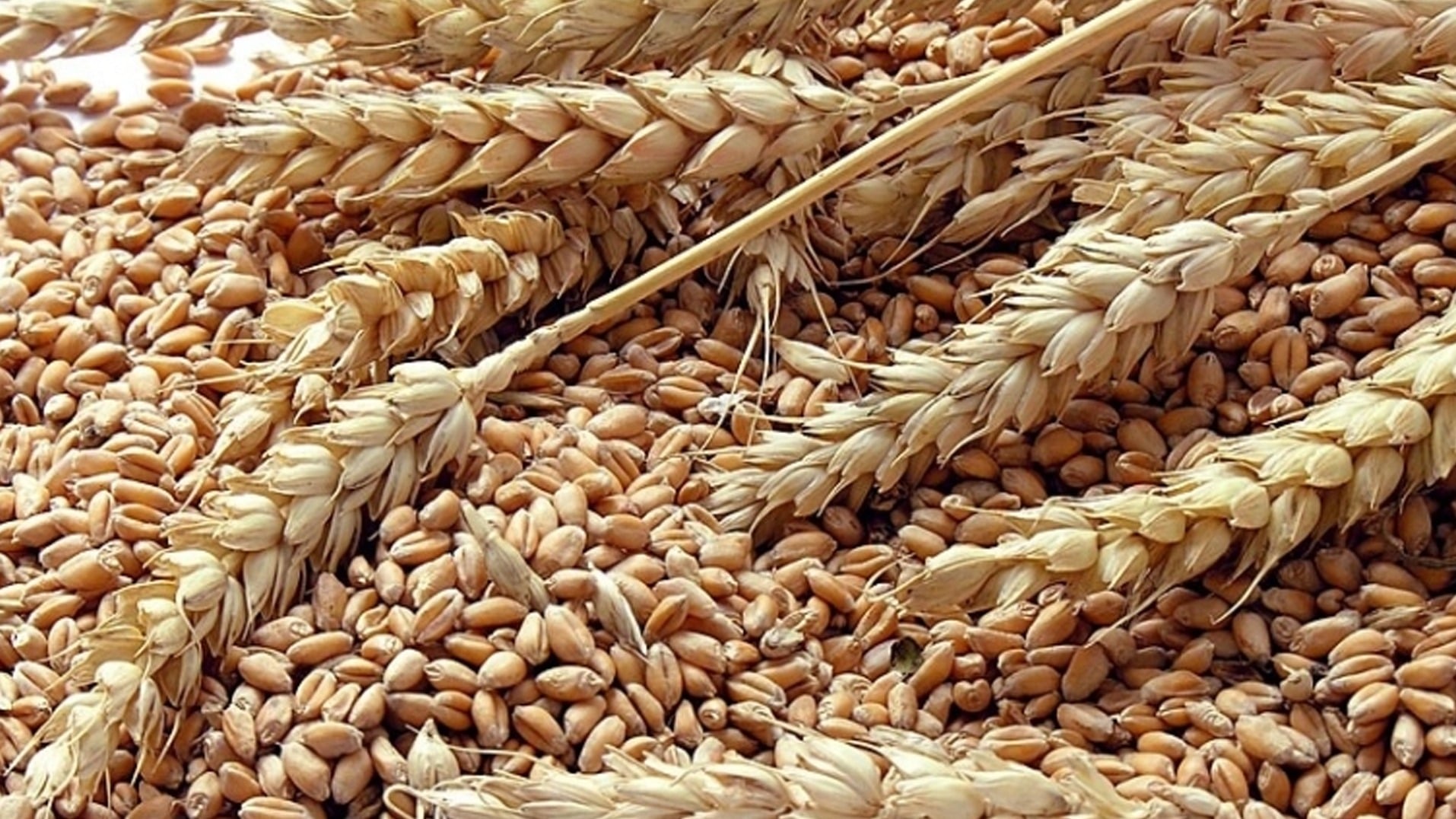
Wheat sourced from abroad has become a focal point in Brazilian agribusiness after recording a sharp appreciation, reaching a level not seen in roughly two and a half years. The trend, tracked by the Center for Advanced Studies in Applied Economics (Cepea), signals that global market forces are feeding directly into domestic prices paid at Brazilian ports and processing facilities.
Several factors typically drive such movements, including adverse weather in key exporting countries, fluctuations in the Brazilian real against the US dollar, and ocean freight costs, all of which affect the final landed price of imported grain. When imported wheat rises, pressure mounts on flour mills and food manufacturers, who may eventually pass costs along to flour and bread prices for consumers.
For domestic wheat growers, elevated import prices can open a competitive window, as local buyers may turn to nationally produced grain seeking more attractive valuations. However, the volume and quality of domestically available stocks will determine how well the local supply chain can respond to increased demand.
The current environment underscores the need for producers, traders, and processors to monitor pricing indicators consistently and approach contracts with caution, as geopolitical tensions and weather-related risks abroad could keep international wheat values elevated for the foreseeable future.
Original source
Read more at Notícias Agrícolas ↗Content based on a public source. Rights to the original article belong to the cited outlet.