
Grain freight costs surge in August, squeezing producer margins across Brazil
Road freight rates for grain transportation posted a sharp increase in August, with certain routes recording hikes above one-third of their previous value. The movement reflects seasonal demand pressure combined with recurring logistical bottlenecks during peak shipping periods. Producers are advised to factor transportation costs more carefully into their commercialization strategies.
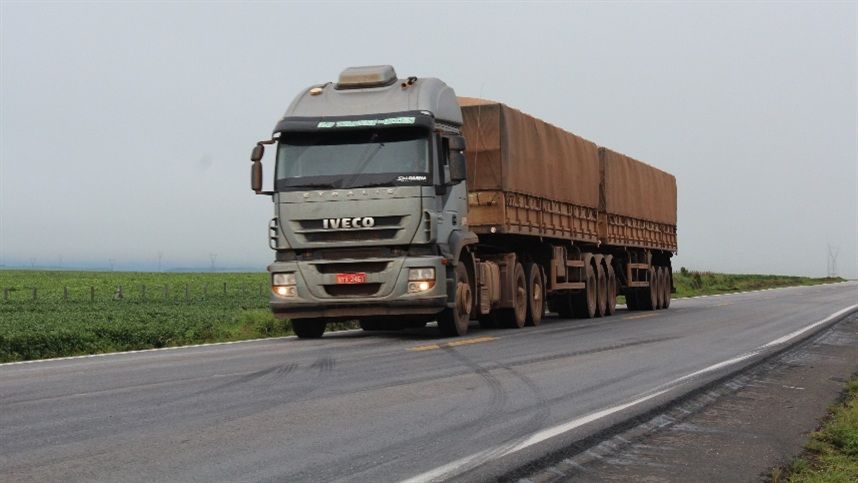
August proved a challenging month for grain producers relying on road transport to move their output to market. Freight tariffs rose sharply across key corridors, with select routes posting increases exceeding 36%, adding meaningful costs to the grain commercialization chain at a critical time of the agricultural calendar.
The surge stems from a combination of heightened demand for trucks in export-oriented regions, concentrated shipping volumes at major ports and a shortage of available vehicles during periods of peak logistical activity. These factors together create an environment in which carriers can command significantly higher rates.
For the rural producer, the consequences are direct. Margins already under pressure from commodity price fluctuations become further compressed when the cost of moving grain from farm to buyer or exporter rises so steeply. The spread between farm-gate and port prices, commonly referred to as basis, tends to widen in this type of scenario.
Agricultural operators are encouraged to negotiate freight contracts in advance whenever feasible, assess alternative transport modes where infrastructure allows, and treat logistics expenses as a central variable in harvest profitability projections. Keeping close track of freight rate trends over the coming months will be key to making well-timed sales decisions.
Original source
Read more at Agrolink ↗Content based on a public source. Rights to the original article belong to the cited outlet.