
Grain freight costs rise in northern Paraná, squeezing farm margins
Road freight rates for agricultural commodities have increased in the northern region of Paraná state, adding pressure to producers' operating costs. The movement exposes persistent structural bottlenecks in Brazil's agricultural logistics infrastructure. Farmers who do not lock in freight contracts in advance are likely to face a more significant impact on their profit margins.
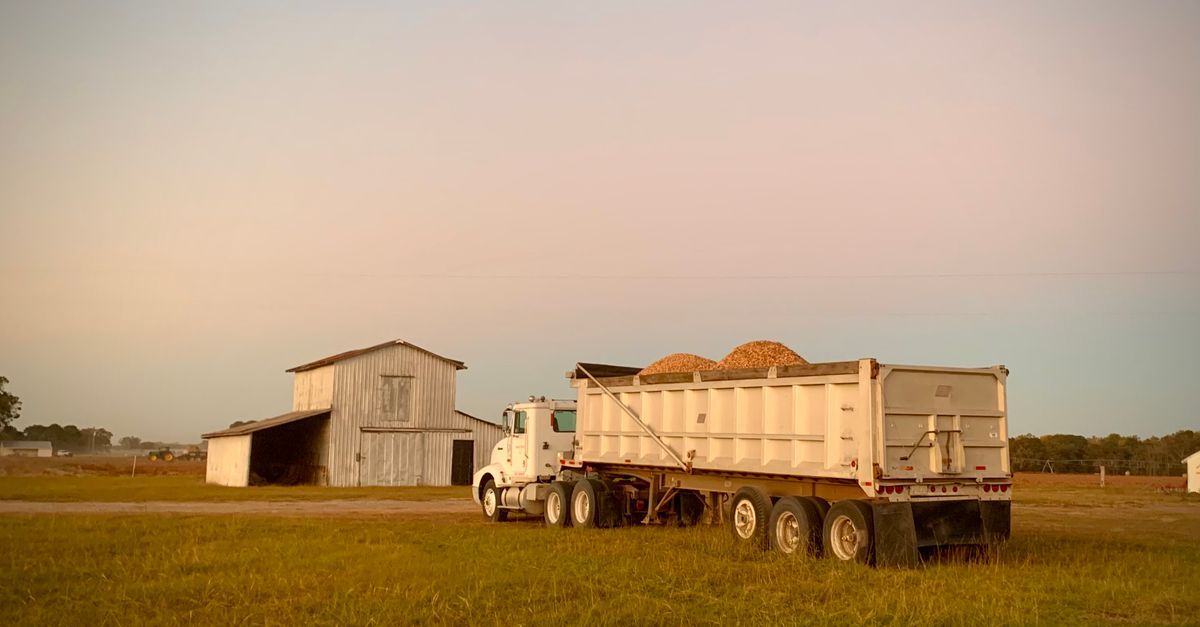
Northern Paraná, one of Brazil's most productive grain-growing regions, is experiencing growing pressure on road freight costs. The increase reflects an imbalance between available trucking capacity and the volume of cargo generated during peak harvest periods, when demand for transport consistently outpaces supply on regional roads.
Several factors are driving this dynamic, including an overdependence on road transport, limited railway connectivity in the state's interior, and high operational costs for carriers such as diesel fuel and toll fees. Together, these elements erode the competitiveness of Brazilian grain along the export chain, raising costs from the farm gate to the port terminal.
For rural producers, the practical takeaway is to closely monitor freight rates when planning crop sales. Negotiating transport contracts in advance, exploring alternative routes, and considering intermediate storage facilities are strategies that can help cushion the impact of logistics volatility on net operating margins.
The situation reignites the broader debate about the urgent need for multimodal infrastructure investment across Paraná and other key producing states. Until long-term structural solutions gain traction, logistics costs will remain a critical and often underestimated variable in the profitability equation for Brazilian agribusiness.
Original source
Read more at jornaluniao.com.br ↗Content based on a public source. Rights to the original article belong to the cited outlet.