
Grain freight costs rise in Mato Grosso, squeezing farm margins
Road freight rates for grain transportation in Mato Grosso have moved higher, adding operational cost pressure on producers in Brazil's leading agricultural state. The increase comes at a sensitive time, with the crop season underway and commodity prices still seeking stability. Higher logistics costs narrow the competitive edge of Mato Grosso's output relative to export ports and consuming markets.
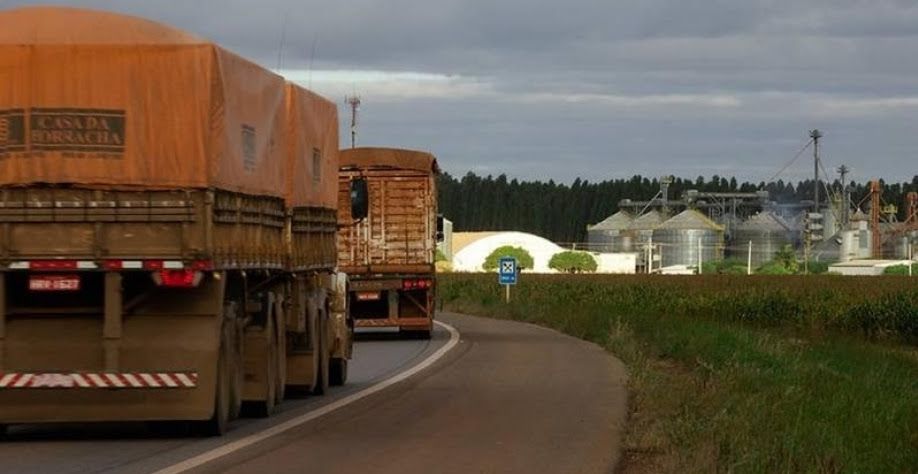
Grain transport costs in Mato Grosso have risen again, signaling a new round of logistical pressure on the region's farmers. The state accounts for a significant share of Brazil's soybean and corn output and relies heavily on road transport to move grain to ports in the Center-South and Northern corridors, leaving local producers particularly exposed to freight rate fluctuations.
Several factors are driving the increase, including higher fuel prices, stronger demand for trucks during the harvest period, and the limited capacity of the region's transport infrastructure. Together, these elements tend to widen the so-called basis cost, which represents the gap between the price received by the farmer and the benchmark quotation on international exchanges.
For producers, the effect is immediate: margins already squeezed by elevated input costs and currency volatility become even thinner when freight rates climb. The situation underscores the value of forward marketing strategies and careful logistics planning as integral components of farm financial management.
Over the medium term, the development of rail and waterway alternatives for moving Mato Grosso's production remains a structural priority, one that could reduce the region's dependence on road haulage and strengthen the competitiveness of Brazilian agribusiness in global markets.
Original source
Read more at Notícias Agrícolas ↗Content based on a public source. Rights to the original article belong to the cited outlet.