
Grain freight costs climb in Mato Grosso, squeezing farm margins
Road freight rates for grains in Mato Grosso have risen recently, adding pressure to the operational costs of farms across Brazil's top producing state. The movement comes at a sensitive time, as producers already face tight margins and are planning for the upcoming crop season. Higher freight represents one more challenge in the profitability equation for rural operations.
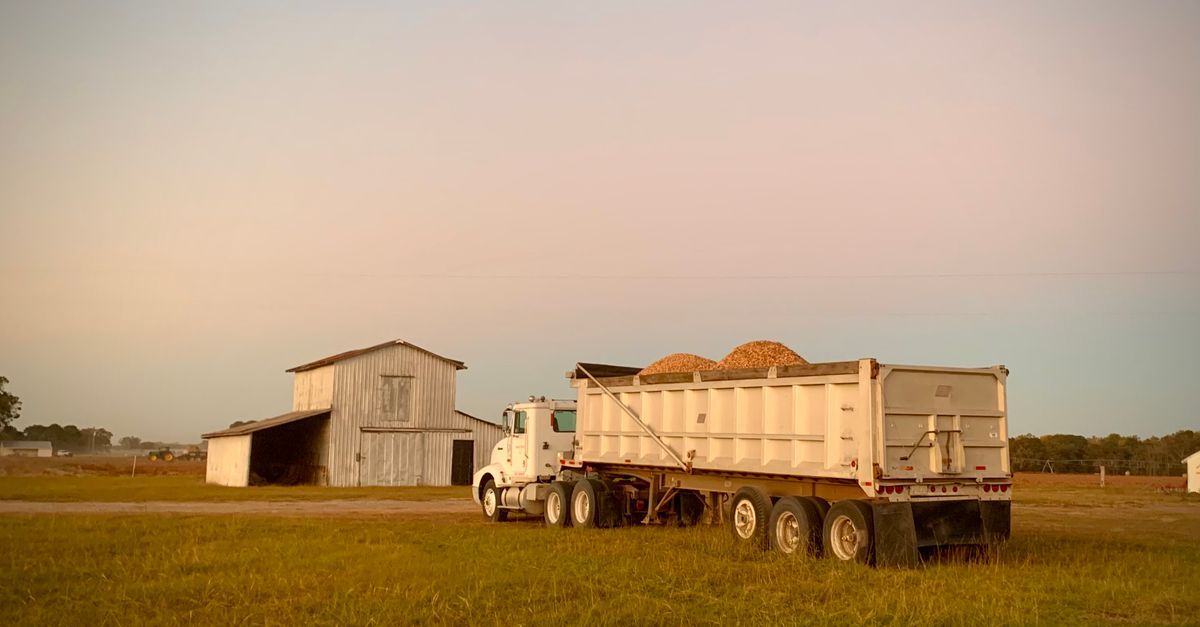
Mato Grosso, Brazil's largest grain-producing state, has once again seen an uptick in road freight rates. Such fluctuations are common during peak harvest movement periods and tend to directly affect the competitiveness of Brazilian grain on the international market, since logistics costs are among the main factors determining farm-gate price differentials.
For rural producers, rising transportation costs erode a portion of the revenue generated from selling their output. In states like Mato Grosso, where distances to major ports and terminals are considerable, freight can account for a significant share of total distribution costs, making the monitoring of these rates essential for sound financial planning on the farm.
Industry specialists recommend that producers diversify their selling windows and evaluate alternative transport modes whenever available, such as rail or waterway routes, which on certain corridors offer more stable pricing. Locking in freight contracts in advance can also be a useful risk-management strategy during periods of high truck demand.
The situation underscores the importance of public policies and private investment in logistics infrastructure to reduce dependence on road transport and make Brazilian agribusiness more efficient and competitive throughout the entire value chain.
Original source
Read more at Notícias Agrícolas ↗Content based on a public source. Rights to the original article belong to the cited outlet.