
Global exchanges, currency rates and international demand shape coffee, cattle and soybean prices in Brazil
Prices received by Brazilian producers of coffee, beef and soybeans are heavily influenced by external forces, including futures markets in New York and Chicago, exchange rate fluctuations and import demand from Asia and Europe. Tracking these drivers allows farmers to make better-informed selling decisions. The international environment remains volatile, requiring close attention when setting price targets.
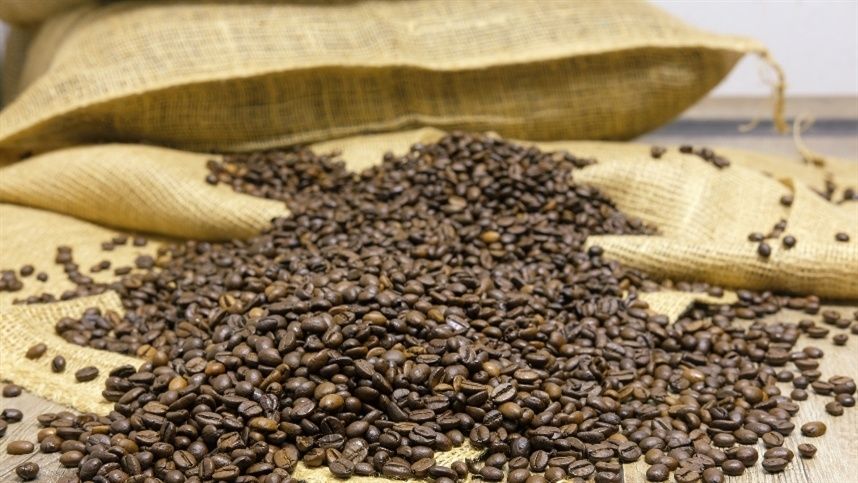
Brazil's agricultural commodity markets move in close alignment with global conditions. For coffee, the ICE Futures exchange in New York serves as the primary benchmark, meaning that speculative fund activity or weather disruptions in competing producer countries translate almost immediately into price shifts at the farm gate in Brazilian growing regions.
For soybeans, the Chicago Board of Trade (CBOT) is the key reference point. Chinese demand, global stock levels and competition from the North American harvest create windows of opportunity that Brazilian producers must monitor carefully to avoid missing favorable selling moments.
Live cattle, while more domestically driven, is not immune to international influences. The opening or closing of export markets, dollar exchange rate movements and competition from other animal proteins in global trade all affect export volumes and, consequently, the price per arroba paid within Brazil.
Given this landscape, producers are advised to regularly track external indicators such as currency rates, world stock levels and export flows, and to consider price protection tools — including forward contracts or options — whenever feasible, in order to limit exposure to international market volatility.
Original source
Read more at Agrolink ↗Content based on a public source. Rights to the original article belong to the cited outlet.