
El Niño tightens global agricultural supply and raises food price concerns
The return of El Niño is raising alarms among agricultural analysts due to its potential to disrupt crop production across multiple regions worldwide. Key commodities such as coffee, rice, and grains are among the most exposed to the rainfall and temperature anomalies associated with the climate event. A tighter global supply outlook could translate into sustained upward pressure on food prices in the coming months.
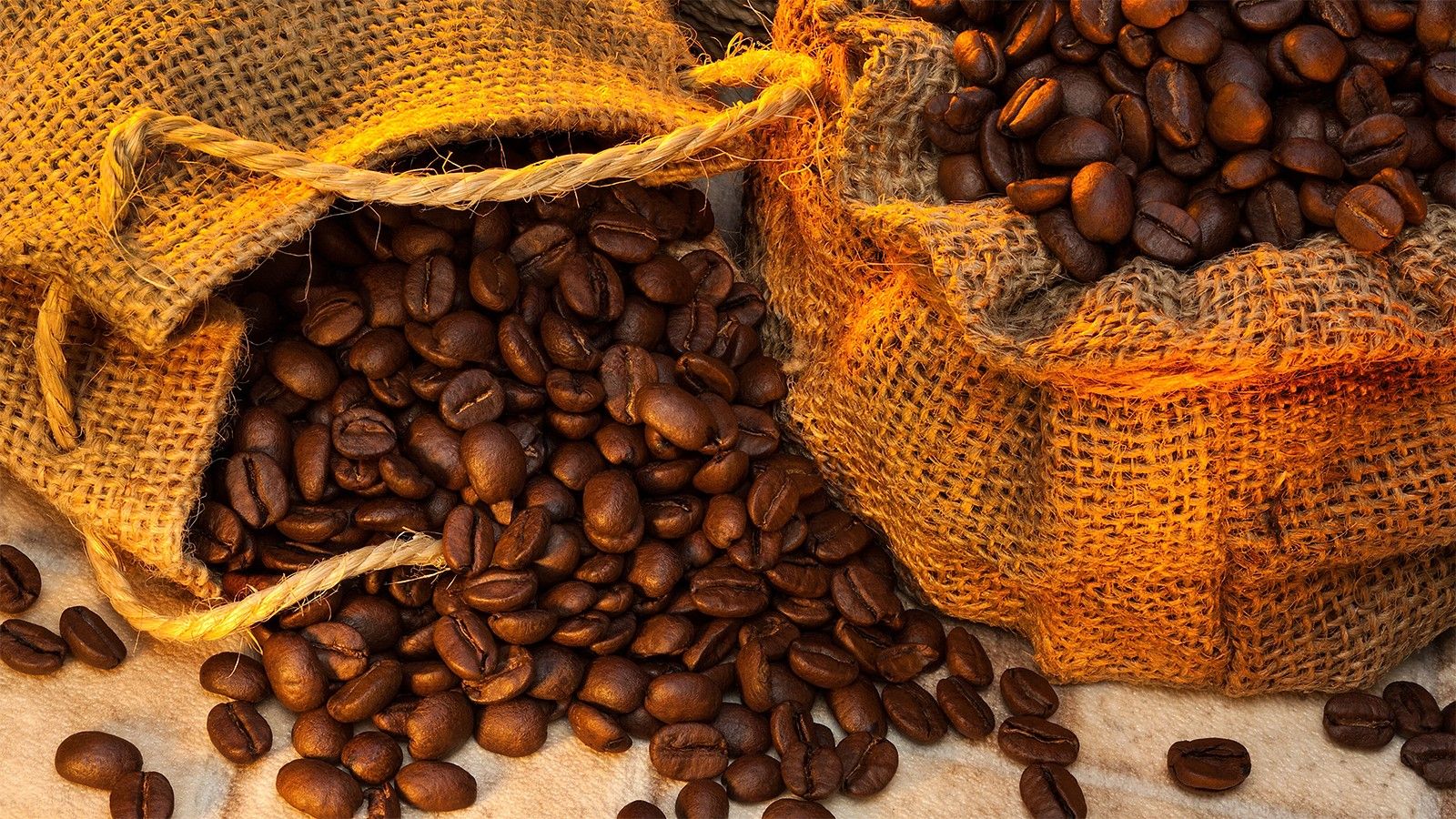
El Niño is driven by the abnormal warming of equatorial Pacific Ocean waters, which reshapes precipitation and temperature patterns on a global scale. The result is a mix of excessive rainfall in certain areas and prolonged drought in others, both of which can severely affect crop development during critical growth stages.
Commodities including coffee, rice, corn, and soybeans are particularly vulnerable to this type of climate variability. Major producing nations across Asia, Latin America, and parts of Africa often see productivity losses during stronger El Niño episodes, shrinking international supply and pushing prices higher on global exchanges.
For Brazilian farmers, the scenario calls for heightened attention to planting schedules and risk management strategies. Key growing regions in the Center-West and South of the country may face uneven rainfall distribution, potentially affecting crop establishment and vegetative development. Climate monitoring tools and agricultural insurance become especially important under these conditions.
From a market standpoint, a tighter global supply outlook tends to support commodity prices at elevated levels, which may benefit well-positioned producers with available stocks or forward contracts. However, broader food inflation driven by the climate event could also push input costs higher and weaken consumer demand, adding volatility across the entire agricultural supply chain.
Original source
Read more at G1 ↗Content based on a public source. Rights to the original article belong to the cited outlet.