
El Niño-driven drought cuts river capacity in Brazil's Northern Arc and pushes down road freight rates
The El Niño climate pattern is lowering water levels across key river routes in Brazil's Northern Arc, reducing the carrying capacity of river barges used to export grain. As waterway transport becomes less efficient, cargo shifts to trucks, increasing road freight supply and paradoxically driving rates down. Farmers relying on these corridors should reassess their logistics planning for the current crop season.
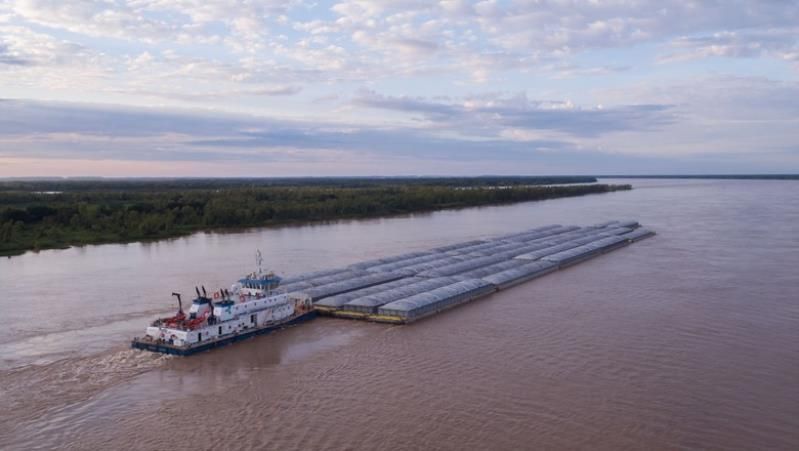
El Niño is bringing drier-than-normal conditions to the Amazon basin, causing river levels along the Northern Arc waterway network to drop significantly. Lower draft depths force barges to carry reduced loads, raising the per-unit cost of river transport and constraining the total volume that can flow through these routes during the peak harvest period.
As the waterway option becomes less competitive, shippers redirect grain volumes to road transport, increasing demand on trucking companies operating in the region. However, the surge in available loads has not translated into higher road freight rates. Instead, the greater competition among carriers and an oversupply of trucks on northern corridors has pushed tariffs downward, offering some cost relief to shippers in the short term.
For grain producers in central and northern Brazil, the situation calls for a careful review of logistics strategies. El Niño years historically bring unpredictable bottlenecks to river-dependent supply chains, and lower road freight rates do not fully offset the risks of delays or volume restrictions. Locking in transport contracts early and exploring alternative routes may help reduce exposure to logistical disruptions as the season progresses.
Original source
Read more at Pará Terra Boa ↗Content based on a public source. Rights to the original article belong to the cited outlet.