
Dollar surge boosts soybean prices in the Brazilian domestic market
A sharp appreciation of the US dollar against the Brazilian real has been providing significant support to domestic soybean prices. The exchange rate movement increases revenue in local currency for every bag sold, improving margins for farmers. This scenario highlights the role of currency fluctuations as a key driver in domestic price formation.
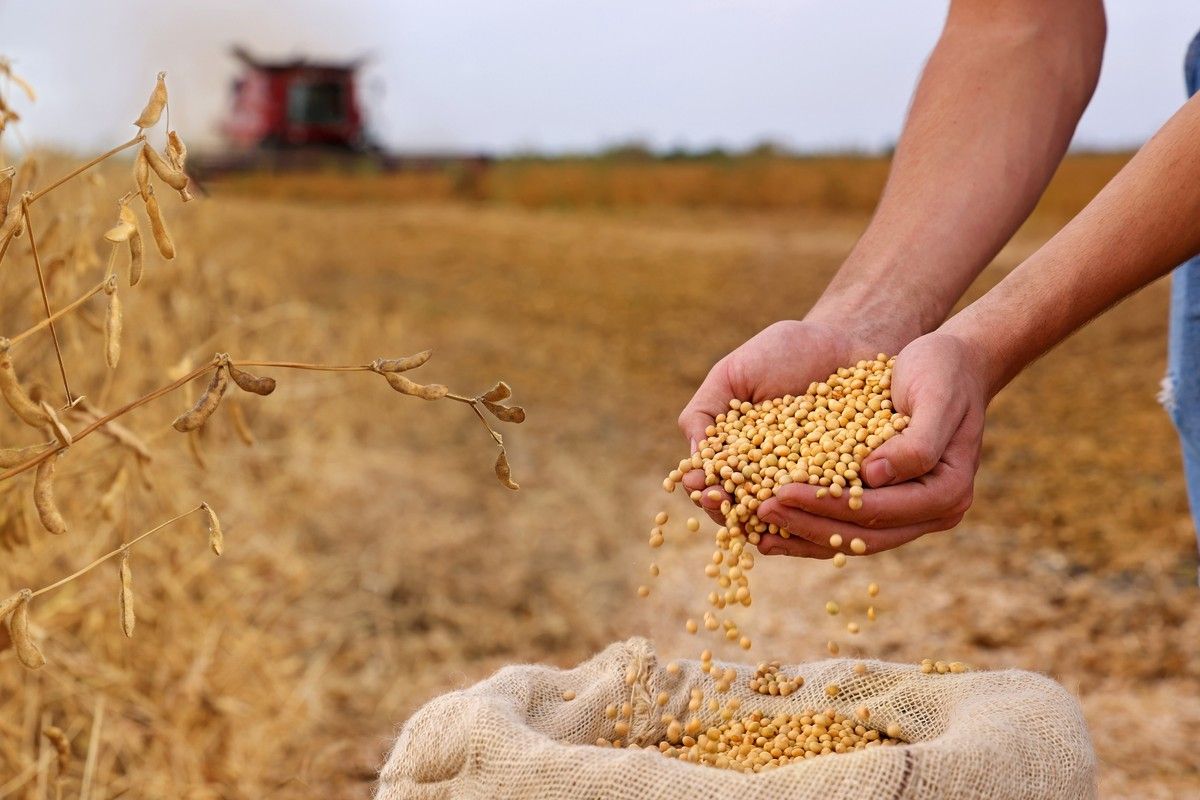
The strengthening of the US dollar against the Brazilian real has emerged as one of the main upward forces behind domestic soybean prices. Since soybeans are priced internationally in US dollars, any depreciation of the real tends to raise the amount received by Brazilian producers in local currency, making sales more financially attractive.
This dynamic becomes particularly significant when external benchmarks, such as Chicago Board of Trade futures, show moderate movement or sideways trading. In such periods, the exchange rate takes center stage as the primary driver of domestic price variation, directly influencing the pace of negotiations between farmers and trading companies.
For producers still holding inventory or planning to sell part of their crop, the current moment calls for close attention to currency movements. Abrupt swings in the dollar can quickly narrow favorable selling windows, making daily market monitoring an essential tool for maximizing revenue.
Market analysts advise that producers assess final prices by considering both the exchange rate and the local basis, which can vary depending on the region and available logistics. A combination of an elevated dollar and active buyer demand may represent a timely opportunity for those who still have product to sell.
Original source
Read more at Globo Rural ↗Content based on a public source. Rights to the original article belong to the cited outlet.