
Diesel price swings translate directly into higher freight costs for Brazilian farmers
Fuel price movements act as a cost multiplier throughout the agricultural supply chain, as increases in diesel are quickly passed on by carriers in the form of higher freight rates. With road transport handling the bulk of Brazil's grain shipments, farmers are among the first to absorb the impact. The structural reliance on trucking makes the sector particularly exposed to energy price volatility.
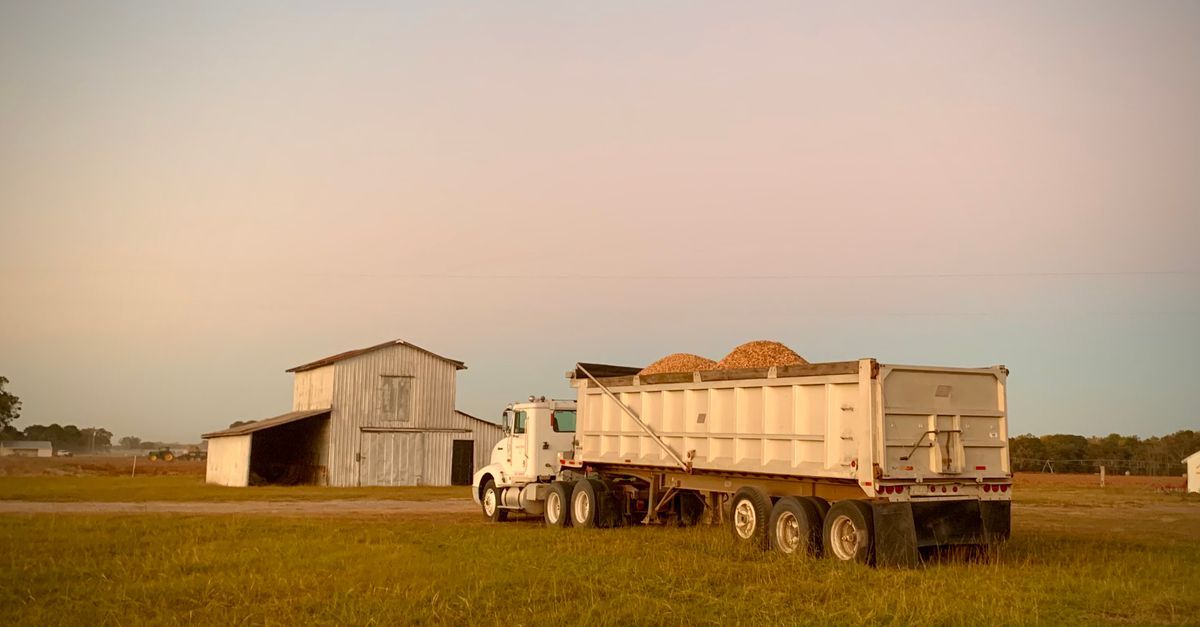
Road transport accounts for the largest share of grain logistics in Brazil, making diesel one of the most influential variables in the final cost structure of any harvest. When fuel prices rise, truckers adjust their rates accordingly, pushing up logistics expenses for producers before crops even reach export terminals or processing facilities.
The proportional relationship between diesel price changes and freight rate adjustments points to a structural vulnerability in Brazilian agribusiness. Producers located farther from consumption centers and export hubs tend to be hit harder, as longer hauls amplify the financial impact of any fuel price increase.
Managing this exposure requires proactive logistical planning. Strategies such as locking in freight contracts during periods of lower fuel pressure, consolidating shipments, and diversifying transport modes can help cushion the effect of diesel volatility on operating margins.
The situation underscores the importance of monitoring both Petrobras pricing decisions and global crude oil market trends, as movements in either arena tend to feed through rapidly into farm-level profitability.
Original source
Read more at Band ↗Content based on a public source. Rights to the original article belong to the cited outlet.