
Diesel price hike squeezes freight costs for farmers in Brazil's top agricultural state
A rise in diesel prices is adding pressure to the transportation expenses of farmers in Mato Grosso, Brazil's leading agricultural state. Research from the Mato Grosso Institute of Agricultural Economics shows that a 5% increase in fuel costs translates into a 1.5% rise in freight rates across the region. The development reignites concerns about the competitiveness of Central-West farming given the long distances to export terminals.
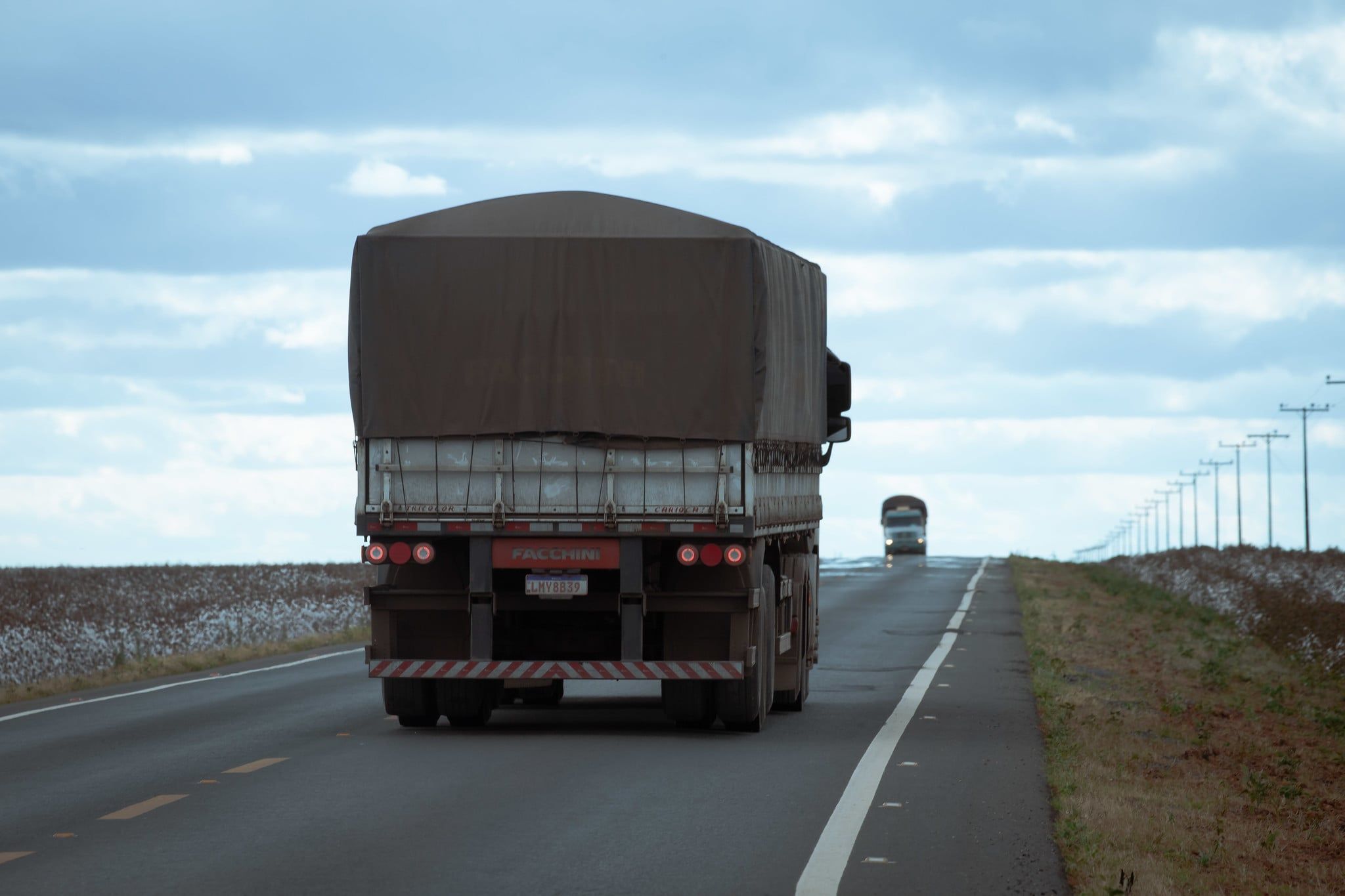
Diesel prices have once again moved to the forefront of agribusiness concerns in Mato Grosso following a new round of fuel adjustments. According to Imea, a 5% swing in diesel costs is enough to push freight rates up by approximately 1.5%, directly eroding the margins of producers who rely on road transport to move soybeans, corn, and cotton to market.
Mato Grosso is Brazil's largest agricultural producer, yet it remains one of the states most penalized by logistical inefficiencies. The average distance from key farming hubs to the ports of Santos and Paranaguá exceeds one thousand kilometers, making road freight a structurally significant and cost-sensitive link in the commodity value chain.
For farmers, the consequences extend beyond the immediate expense. Higher freight rates reduce the net price received at the farm gate, pushing break-even points upward at a time when international prices for the main crops remain volatile. Cost managers and cooperatives are urging producers to pay close attention to their marketing strategies in order to limit financial exposure.
Over the medium term, analysts argue that expanding multimodal alternatives, particularly rail and waterway corridors, would be the most effective way to insulate the sector from diesel price swings. As those infrastructure projects advance at a slow pace, fuel costs remain the single largest logistical risk factor for agribusiness across Brazil's Central-West region.
Original source
Read more at Notícias Agrícolas ↗Content based on a public source. Rights to the original article belong to the cited outlet.