
Corn ethanol expansion in Brazil set to boost grain demand while pressuring biofuel prices
Seven new corn-based ethanol plants are expected to begin operations in Brazil by 2027, significantly increasing the sector's processing capacity. The surge in biofuel supply is likely to compress ethanol prices, but it also opens a broader domestic market for corn growers. Producers in the Center-West, the core of this supply chain, should monitor developments closely.
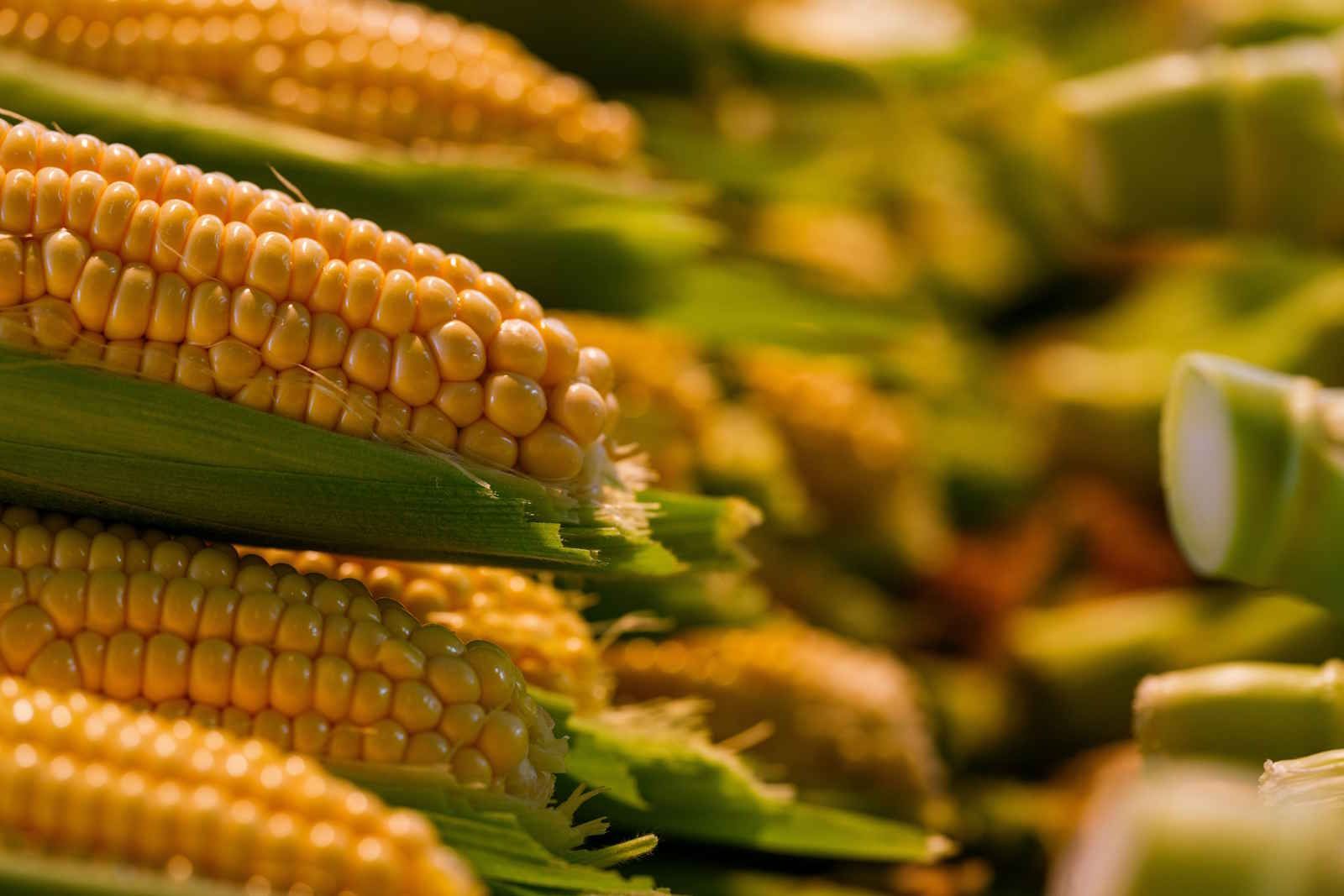
Brazil's corn ethanol industry is on a clear growth trajectory. Seven additional processing facilities are slated to come online by 2027, cementing corn's role as a key feedstock for the country's bioenergy matrix and expanding the sector's footprint well beyond its current scale.
For grain producers, the expansion translates into a wider set of buyers competing for corn output. Plants located in the Center-West and Matopiba regions provide an alternative offtake channel for second-crop corn that would otherwise rely solely on export flows through ports or demand from the animal protein sector.
The flip side is increased supply pressure on corn ethanol prices. As more biofuel volume enters the market, plant margins are likely to tighten, which could moderate the premium that ethanol mills are willing to pay for corn over the medium term. Growers are advised to factor this dynamic into their marketing and contracting strategies for the 2025/26 and 2026/27 crop cycles.
The trend also underscores the importance of tracking the price parity between corn ethanol and sugarcane ethanol, as well as crude oil movements, since petroleum prices directly influence the competitiveness of both biofuels and, in turn, the appetite of mills to bid aggressively for feedstock.
Original source
Read more at NovaCana ↗Content based on a public source. Rights to the original article belong to the cited outlet.