
Bumper harvest drives up freight costs and heats demand for grain transport across Brazil
Record-breaking agricultural output in Brazil is straining trucking capacity and pushing grain freight rates higher. The surge in grain volumes moving through the country's road network is intensifying competition for available transport, directly affecting producers' bottom lines. Careful logistics planning becomes essential to protect margins during this peak movement period.
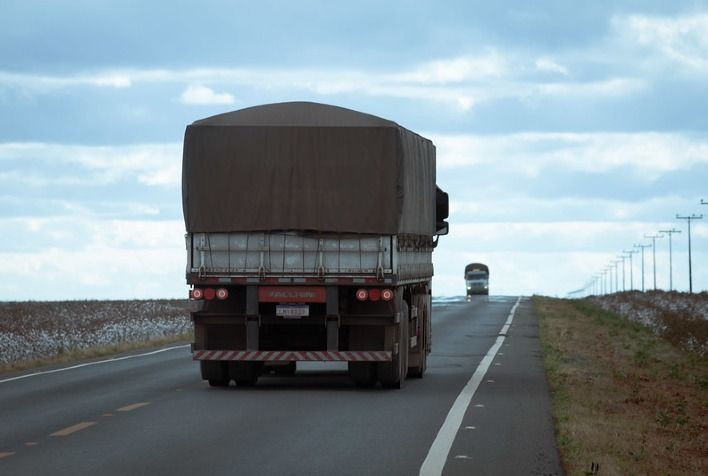
Brazil's current crop season is delivering production volumes that surpass previous benchmarks, generating a large amount of grain that must be moved to storage and export terminals within a compressed timeframe. This concentration of supply creates a mismatch between truck availability and transport demand, driving freight rates upward along the country's main agricultural corridors.
For farmers, higher freight costs eat into the gains achieved through strong yields. Regions located far from ports and railway hubs are particularly exposed, given their greater reliance on road transport to reach export and processing facilities.
Advancing freight contracts ahead of peak harvest periods and exploring multimodal options where available are practical steps producers can take to manage exposure. Those with on-farm or third-party storage capacity can spread deliveries over several months, gaining negotiating leverage and reducing pressure during the busiest weeks of the season.
Over the medium term, sustained logistical strain may attract new investment in transport infrastructure, but such improvements are unlikely to materialize within the current crop cycle. In the near term, disciplined commercialization planning remains the most effective tool available to producers seeking to defend their profitability.
Original source
Read more at Portal do Agronegócio ↗Content based on a public source. Rights to the original article belong to the cited outlet.