
Bumper grain harvest drives up freight rates across Brazil's agricultural supply chain
An above-average grain harvest in Brazil is intensifying demand for transport capacity, pushing freight rates higher across road, rail, and port operations. The surge in volumes to be moved within a compressed timeframe is exposing longstanding bottlenecks in the country's logistics infrastructure. Farmers should factor rising shipping costs into their marketing and delivery strategies for the season.
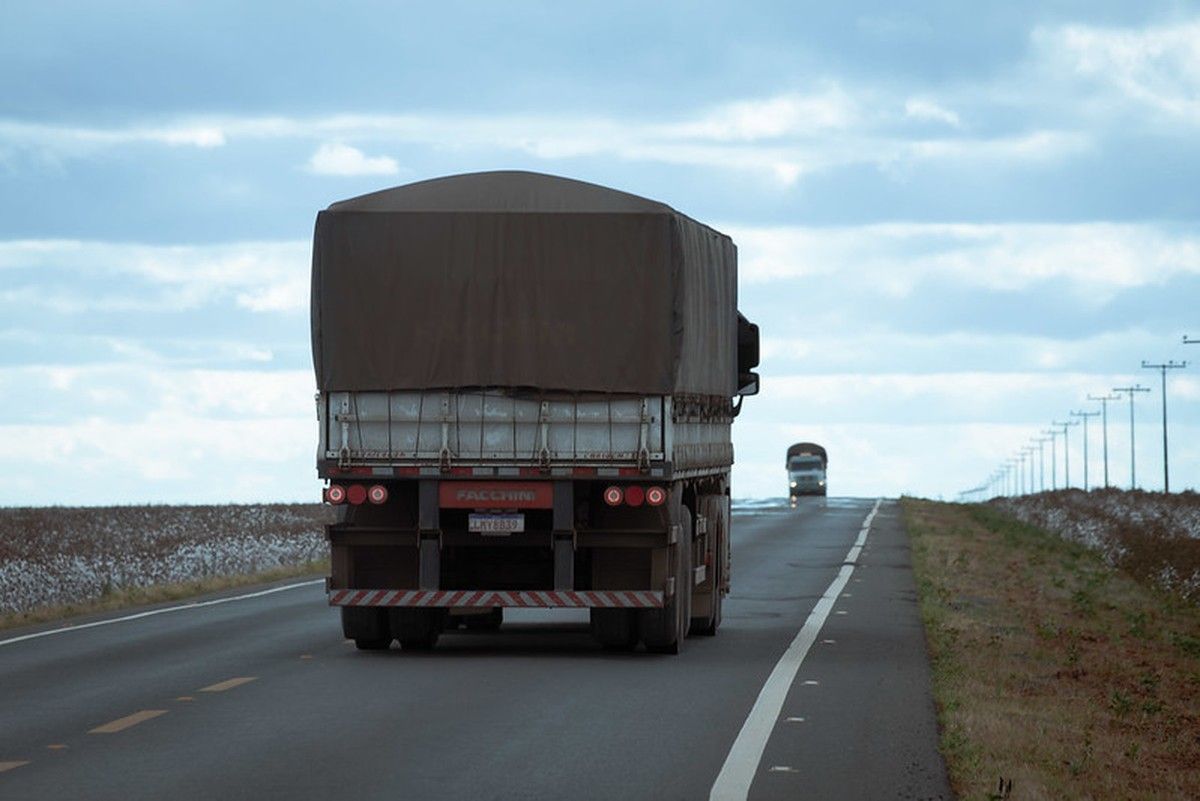
Brazil's strong grain output this season is creating significant strain on the country's logistics network. As larger volumes compete for limited transport capacity — trucks, rail wagons, and port berths alike — freight rates are climbing, squeezing margins for producers who must move their crops to domestic processors or export terminals.
This pattern is not uncommon in record-harvest years. When grain supply outpaces the immediate absorption capacity of the transport and storage system, freight prices respond accordingly. Inland regions such as the Center-West and the Matopiba frontier, which rely heavily on long-haul trucking to reach export hubs, tend to bear a disproportionate share of the cost increase.
For farmers, careful logistical planning becomes especially important in this environment. Booking freight capacity early, exploring on-farm or regional storage options, and tracking port loading windows are practical steps that can help manage exposure to rate volatility during peak movement periods.
Over the longer term, expanding Brazil's rail network and upgrading port infrastructure are widely cited as essential measures to ease these recurring bottlenecks. Until those investments materialize at scale, however, the cost of moving a large harvest to market will remain one of the most closely watched competitiveness factors in Brazilian agribusiness.
Original source
Read more at Globo Rural ↗Content based on a public source. Rights to the original article belong to the cited outlet.