
Bumper grain harvest drives strong demand for agricultural transport, keeping freight rates elevated
An above-average grain harvest season in Brazil has intensified pressure on the country's logistics infrastructure, keeping agricultural freight rates at high levels. For farmers, transportation costs represent a significant share of the total cost of bringing their crop to market. The mismatch between abundant supply and limited logistics capacity remains one of the main bottlenecks in Brazilian agribusiness.
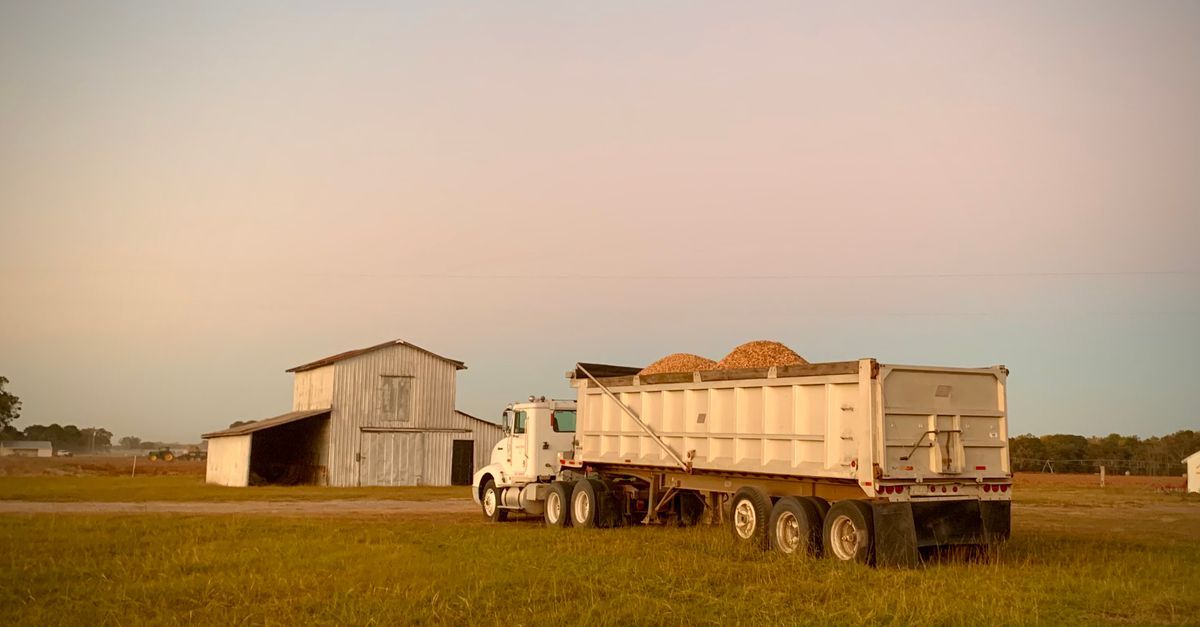
Record or near-record grain volumes have sharply increased the flow of commodities that need to move from production areas to ports and domestic consumption centers. This surge in cargo movement intensifies competition for trucks, rail cars, and terminal space, pushing freight rates upward.
For grain producers, freight is a substantial component of the final cost of selling their crop. During bumper harvest years, this cost tends to grow even more significant, particularly for farmers located far from major logistics corridors.
Planning the flow of production well in advance is a key strategy to mitigate exposure to peak freight rates. Securing transport contracts before demand peaks and, where feasible, diversifying routes and transport modes can help reduce costs.
Over the medium term, ongoing investments in rail and port infrastructure across Brazil are expected to ease some of this pressure, though the practical impact on logistics costs for the sector is likely still several years away.
Original source
Read more at Diário de Petrópolis ↗Content based on a public source. Rights to the original article belong to the cited outlet.