
Bread prices in Belém hold steady despite global wheat market turbulence
Retail bread prices in the Amazonian capital have remained stable even as international wheat markets face significant pressure from geopolitical and climate-related disruptions. The disconnect between global commodity stress and local consumer prices highlights the buffering capacity of the supply chain. For agribusiness stakeholders, this dynamic offers important clues about demand absorption and margin compression across the wheat value chain.
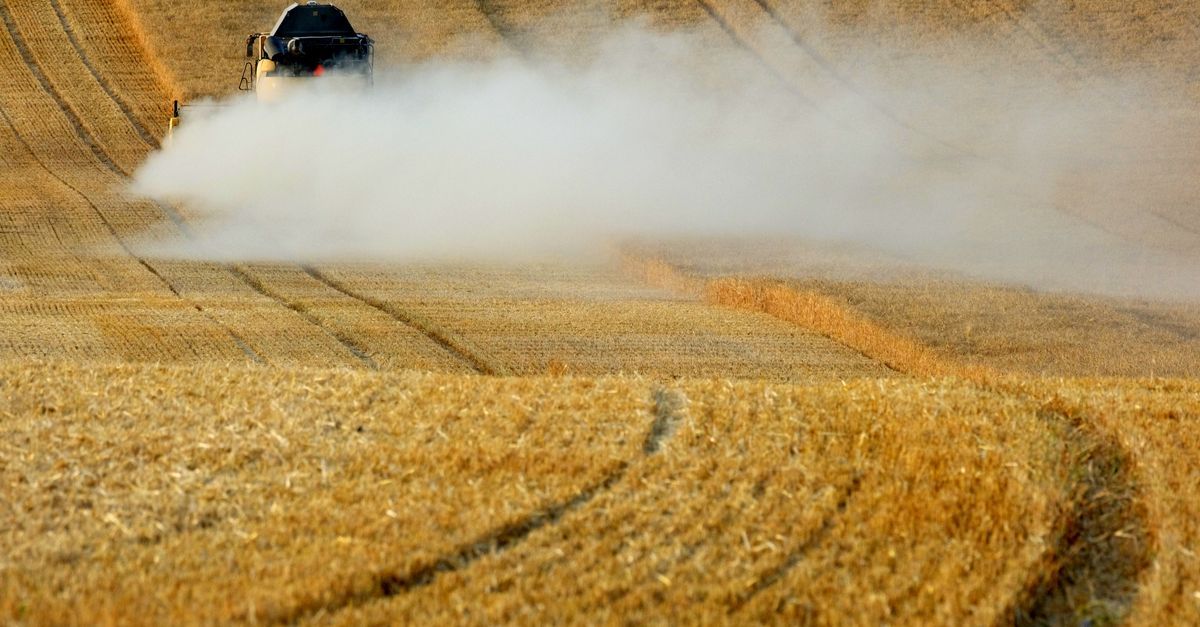
Wheat remains one of the commodities most exposed to geopolitical shocks and climate volatility on the global stage. Conflicts in key exporting regions, currency fluctuations, and elevated ocean freight costs have kept international wheat prices under pressure in recent months, directly raising import costs for Brazil, a country that relies heavily on foreign supply to meet domestic consumption needs.
Despite this challenging backdrop, the pass-through of external shocks to final consumer prices for wheat-derived products has been gradual and uneven across Brazilian regions. The price stability observed in Belém's retail market may reflect inventory management strategies by flour mills or margin compression at various points along the supply chain, from wholesale to retail.
For farmers and market participants, retail price behavior serves as a useful gauge of aggregate demand and the food industry's ability to pass on cost increases. When retail prices hold firm despite rising input costs, it may signal intense competition within the sector or the presence of buffer stocks still working through the system, both of which warrant close attention in wheat market monitoring.
The domestic wheat market will continue to depend on harvest performance in Paraná and Rio Grande do Sul, as well as import conditions from Argentina and other suppliers. Producers and cooperatives should closely track supply and demand projections to fine-tune their commercialization strategies in the months ahead.
Original source
Read more at O Liberal ↗Content based on a public source. Rights to the original article belong to the cited outlet.