
Brazilian wheat market holds firm as tight domestic supply offsets falling global prices
International wheat prices have eased in recent weeks, driven by global market dynamics and currency movements. Even so, limited grain availability within Brazil has cushioned local prices from a sharper decline, keeping domestic quotes relatively stable for growers.
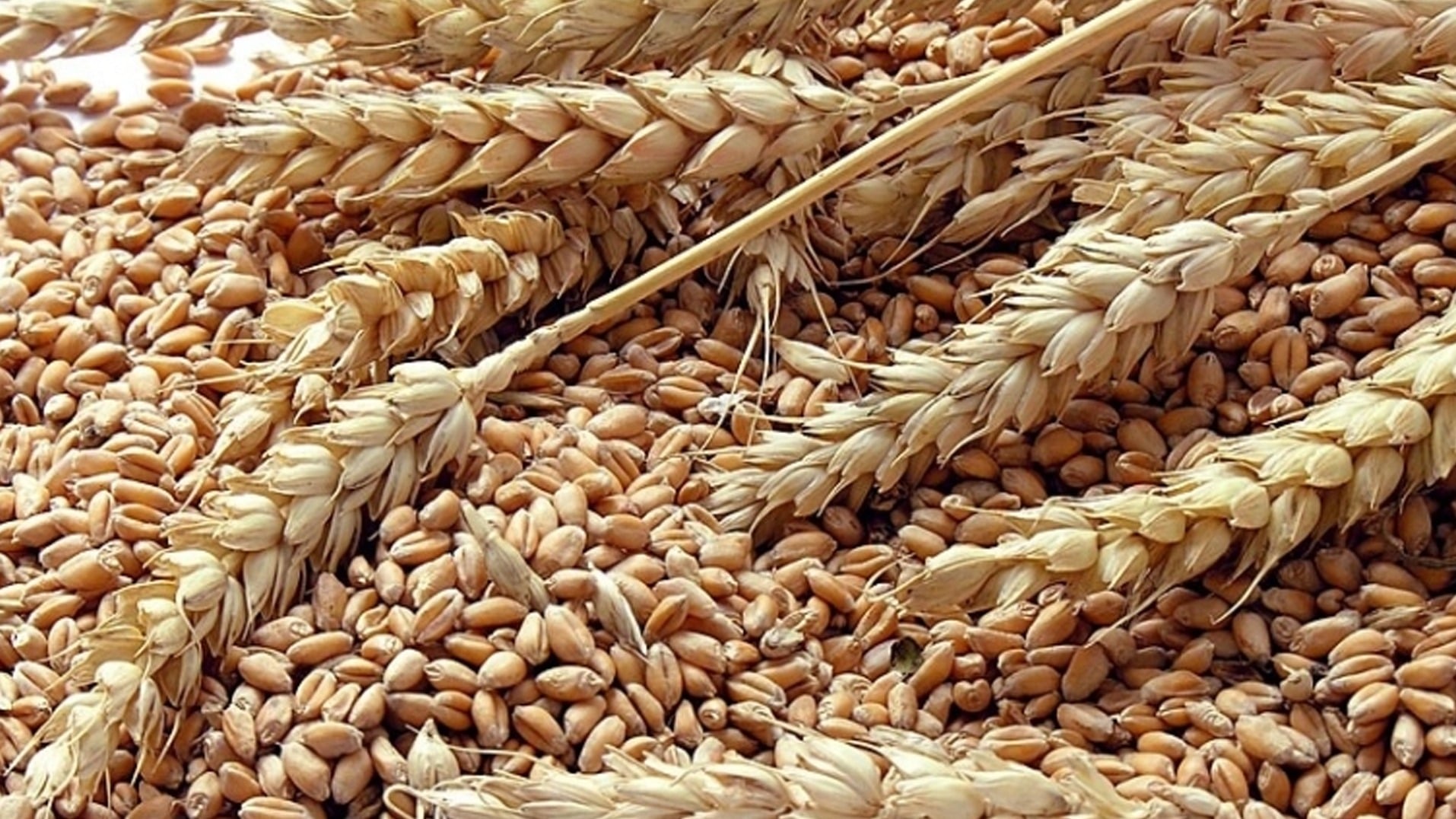
Brazil's wheat market is currently navigating opposing forces. On one side, overseas reference prices have softened, reflecting shifts in major exporting countries and exchange rate fluctuations. On the other, constrained domestic supply has acted as a buffer, preventing the full transmission of external weakness into local trading levels.
For Brazilian wheat farmers, this balance offers a degree of margin protection during a period that typically brings greater price volatility. The tighter domestic supply stems from factors such as below-average carry-over stocks and a slower-than-expected pace of commercialization in key producing states, reducing the volume available in the spot market and giving holders of grain more negotiating leverage.
The outlook for the coming months warrants close monitoring. Should external pressure intensify or demand from flour mills soften, the current support level may erode. Conversely, any adverse weather in the main producing regions of Paraná and Rio Grande do Sul ahead of the next crop cycle would likely reinforce the price floor.
Wheat producers are advised to track international benchmark exchanges alongside Brazil's import flow data, as shifts in import volumes represent the variable most capable of quickly rebalancing domestic supply and demand dynamics.
Original source
Read more at Notícias Agrícolas ↗Content based on a public source. Rights to the original article belong to the cited outlet.