
Brazilian freight costs rise in August despite another drop in diesel prices
Cargo transportation costs in Brazil increased in August even as diesel prices fell again at the pump. The result defied expectations that lower fuel prices would ease logistics expenses for rural producers. Rising freight rates add further pressure on agribusiness margins during the grain shipment season.
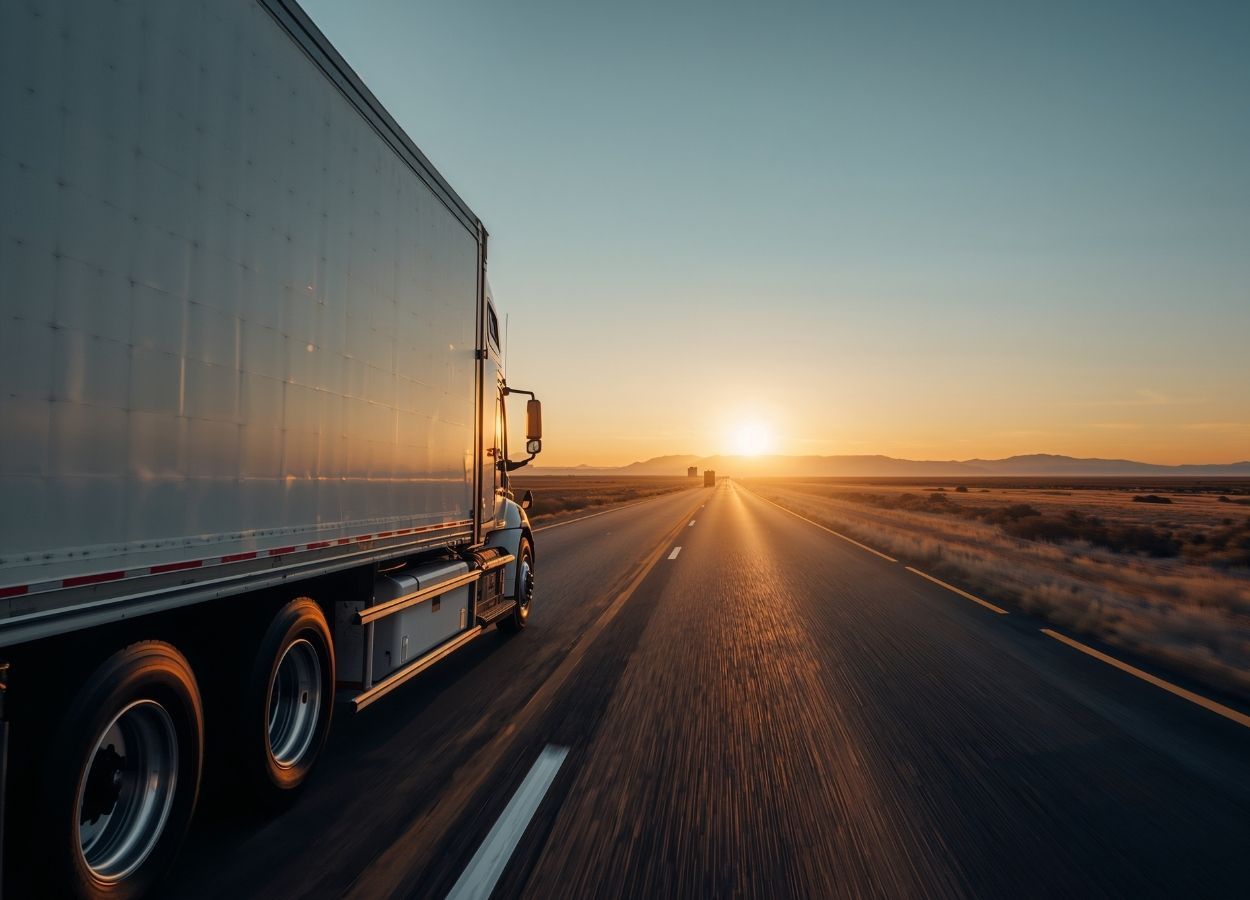
Freight rates in Brazil climbed roughly 1% in August compared to the previous month, according to sector indicators. The outcome was unexpected given that diesel, the main cost driver for trucking companies, posted another decline during the same period, a movement that typically pulls transport tariffs lower.
The gap between fuel prices and the rates charged to shippers reflects other cost components that make up a trucker's operating expenses, including labor, tolls, fleet maintenance and the supply-and-demand dynamics for vehicles on major agribusiness corridors. During peak grain movement periods, strong demand for trucks tends to keep freight rates elevated even when diesel retreats.
For farmers, higher freight costs translate directly into reduced competitiveness, particularly in regions far from export ports where logistics already consume a significant share of revenue. The situation calls for careful attention when closing sales contracts and planning the dispatch of production in the coming months.
The scenario underscores the strategic value of diversifying transport modes and closely tracking tariff fluctuations. Long-term public and private investment in railways and waterways remains essential to reduce Brazil's heavy dependence on road transport and to make agribusiness logistics more efficient and predictable.
Original source
Read more at Revista Cultivar ↗Content based on a public source. Rights to the original article belong to the cited outlet.