
Brazilian agribusiness warns that new freight regulation will raise supply chain costs
Agricultural industry groups have voiced strong opposition to a federal provisional measure regulating road freight, arguing it will drive up logistics costs across the production chain. The concern is that higher transportation expenses will erode the competitiveness of Brazilian commodity exports. The issue is particularly sensitive at a time when farm margins are already under pressure.
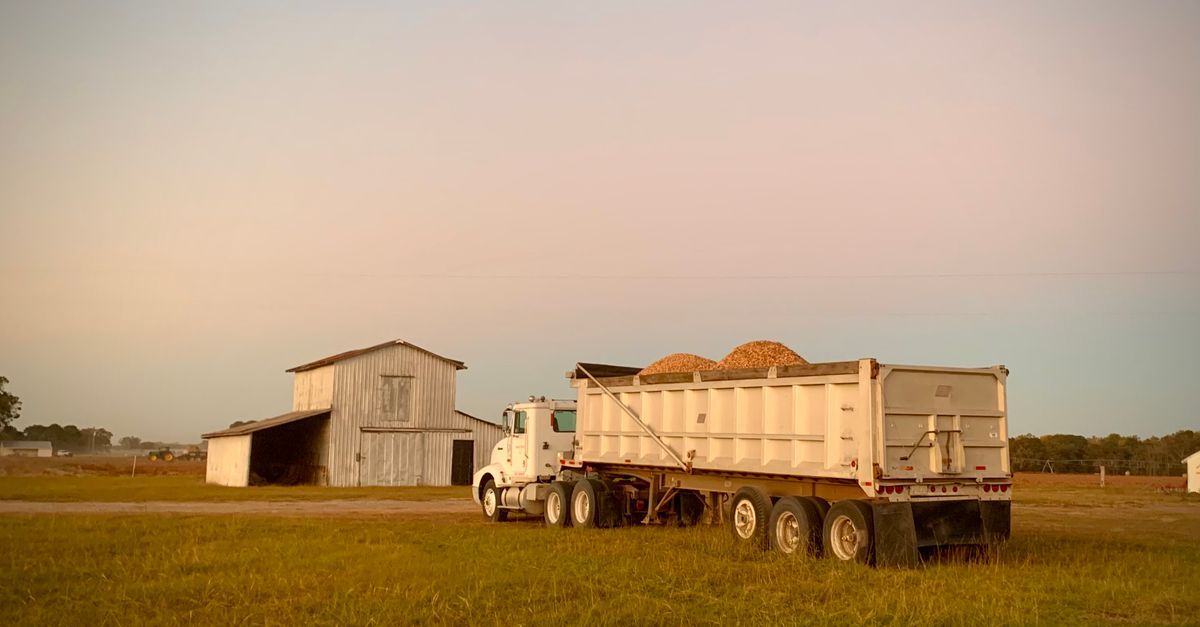
Brazilian agribusiness associations have begun publicly challenging the effects of a provisional measure issued by the federal government targeting the road freight sector. Industry representatives contend that the new rules introduce requirements and conditions that will, in practice, increase the freight costs borne by farmers, processors, and commodity exporters.
Freight is one of the most significant cost components in Brazilian agriculture, given the country's continental scale and its heavy reliance on road transport to move harvests from the interior to export ports. Any rise in this expense directly affects farm profitability, particularly in regions far from export hubs such as the Center-West and the Matopiba corridor.
Critics of the measure argue that by intervening in contractual arrangements between shippers and carriers, the government risks reducing market efficiency and creating truck shortages during peak harvest periods, precisely when transportation demand is at its highest.
The debate unfolds against a backdrop of already compressed margins for several crops, making logistical cost control even more critical to the financial sustainability of rural operations and to preserving Brazil's competitive position in global commodity markets.
Original source
Read more at Revista Oeste ↗Content based on a public source. Rights to the original article belong to the cited outlet.