
Brazil's Tax Reform Could Raise Soybean Production Costs Starting in 2027
The implementation of Brazil's new Goods and Services Contribution in 2027 is expected to affect the soybean supply chain, particularly during the summer crop season. Producers and analysts are assessing how the new tax framework may reshape margins and the competitiveness of Brazilian soybeans on global markets.
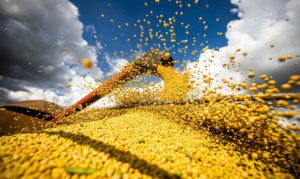
Brazil's ongoing tax reform is beginning to take concrete shape for the agricultural sector. The scheduled introduction of the CBS — a levy set to replace federal contributions such as PIS and Cofins — by 2027 has placed soybean growers at the center of debates over production and marketing costs for the summer crop.
The main concern revolves around how the new tax rate will apply to inputs, contracted services, and grain sales transactions. Depending on the final regulatory framework, parts of the supply chain may face a net increase in tax burden, squeezing producer margins at a time when soybean prices are already trading below levels seen in previous years.
Experts note that the agricultural sector is still waiting for clarification on the scope of exemptions and the credit system outlined in the legislation. How these rules are defined will be critical in calculating the net impact on cost per bag and, consequently, on planting and marketing decisions for the 2027/28 crop season.
As the legal and regulatory debate progresses, producers are advised to monitor the development of supplementary rules closely and to incorporate the tax outlook into their financial planning for upcoming seasons. Early attention to these changes could provide a strategic edge in contract management and hedging strategies.
Original source
Read more at Consultor Jurídico ↗Content based on a public source. Rights to the original article belong to the cited outlet.