
Brazil's second corn crop shapes domestic price trends throughout the year
The second corn crop, grown mainly in Brazil's Center-West region after soybean harvest, plays a central role in determining cereal prices across the country. Its output accounts for the largest share of national supply, meaning any weather or productivity shift carries significant weight on market quotes. Farmers and buyers closely monitor this crop cycle to anticipate price movements.
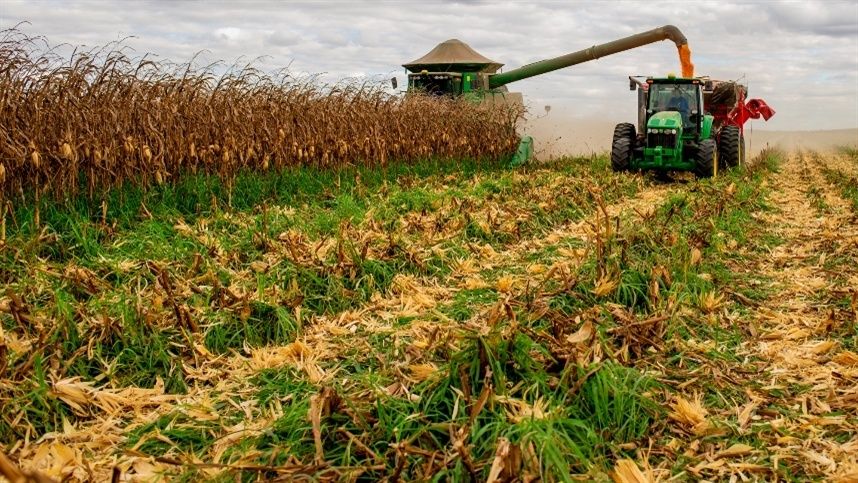
Brazil has established its second corn crop as the primary source of grain for both domestic consumption and exports. Planted in the window that follows soybean harvest, this agricultural cycle concentrates a substantial portion of national production, making its performance a key driver of prices in both physical and futures markets.
When the second crop develops under favorable conditions, expectations of ample supply tend to push prices downward, squeezing margins for producers still holding grain in storage. Conversely, productivity losses caused by dry spells or late frosts typically trigger price rallies, rewarding those who retained part of the previous harvest.
The harvest calendar for the second crop, concentrated between June and August, also shapes price dynamics. As trucks flow into storage facilities and short-term supply rises, regional basis levels tend to weaken, particularly in Mato Grosso and Paraná, the states that lead production in this planting window.
For farmers, tracking planted area indicators, crop condition reports, and the pace of second-crop harvesting is essential for making well-informed marketing decisions. Whether to sell forward or wait out the peak supply period depends directly on how this crop progresses over the coming months.
Original source
Read more at Agrolink ↗Content based on a public source. Rights to the original article belong to the cited outlet.