
Agricultural freight costs surge up to 20% in Brazil's North region, squeezing farm margins nationwide
Transportation costs for agricultural cargo have risen sharply across Brazil, with the steepest increases recorded in the country's northern states. The uptick adds pressure to farm operating costs and weakens the competitiveness of Brazilian commodities on global markets.
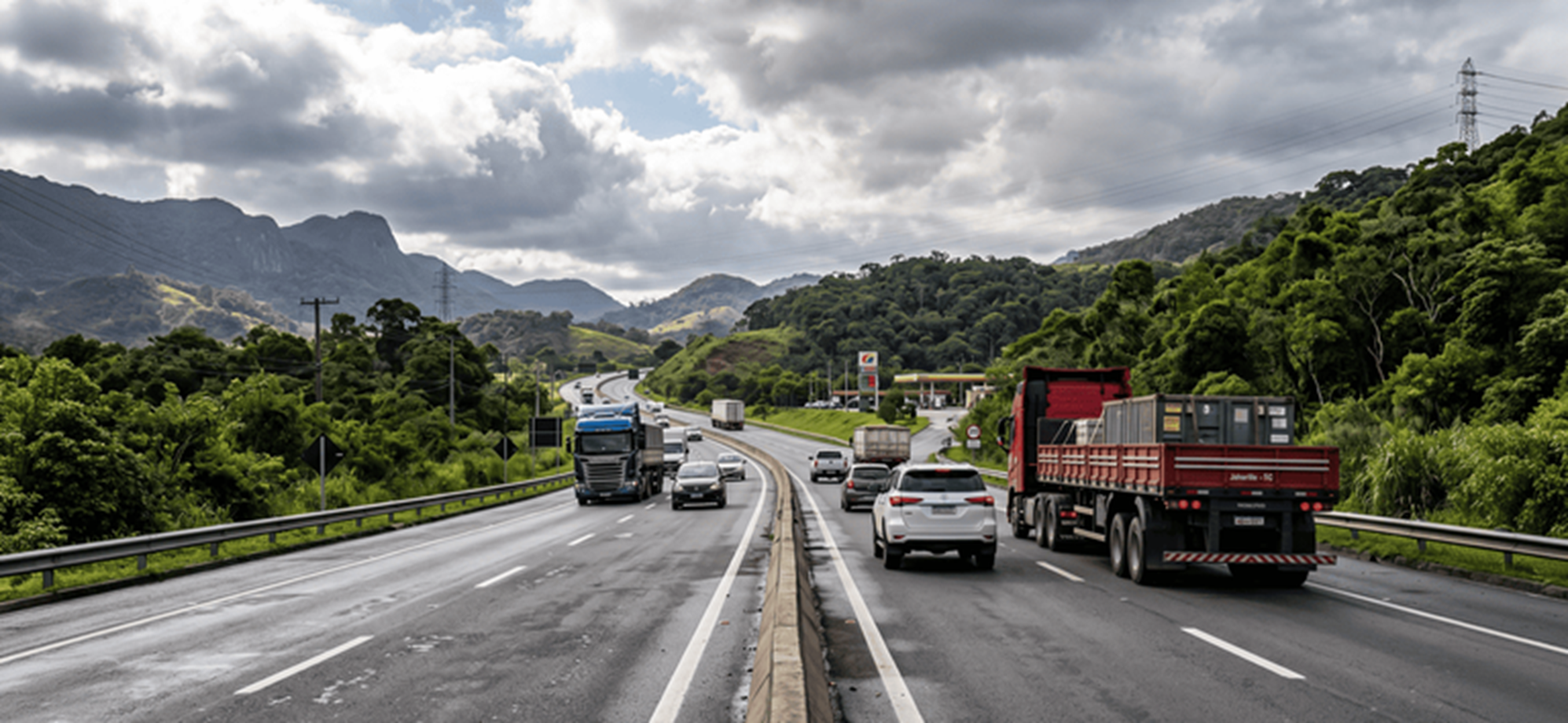
Freight rates for agricultural goods have once again become a significant burden for Brazilian farmers. Prices charged for hauling grains and other commodities climbed broadly across the country, with the North region standing out for increases of up to 20% on select routes. This deterioration stems from a combination of structural bottlenecks and short-term demand pressures that show little sign of easing.
Key drivers behind the freight surge include persistently high diesel prices, strong truck demand during the peak harvest season, and the inadequate road infrastructure that characterizes much of Brazil's agricultural frontier. In the North, longer distances to export ports and poor road conditions further amplify logistical costs, making transportation one of the most critical challenges for producers in that region.
The ripple effects are significant. Higher freight rates compress net margins and can influence when and how producers decide to sell their output. Some farmers may choose to hold stocks and delay sales, hoping for a drop in transport costs or an improvement in commodity prices before committing to transactions. This dynamic adds uncertainty to supply chains and market timing decisions.
Industry analysts warn that without meaningful progress in rail and waterway infrastructure across the Center-West and North, the so-called Brazil cost will continue to erode farm profitability, particularly for producers located far from major export terminals. Diversifying transportation modes remains a medium- to long-term priority for reducing the sector's heavy reliance on road haulage.
Original source
Read more at Exame ↗Content based on a public source. Rights to the original article belong to the cited outlet.