
Agricultural freight costs surge up to 20% in Brazil's North region, rising across most of the country
Road freight rates for agricultural cargo have risen sharply across Brazil, with the North region recording the steepest increase, near 20%. The trend raises logistics costs throughout the supply chain and squeezes producer margins in both domestic and export markets.
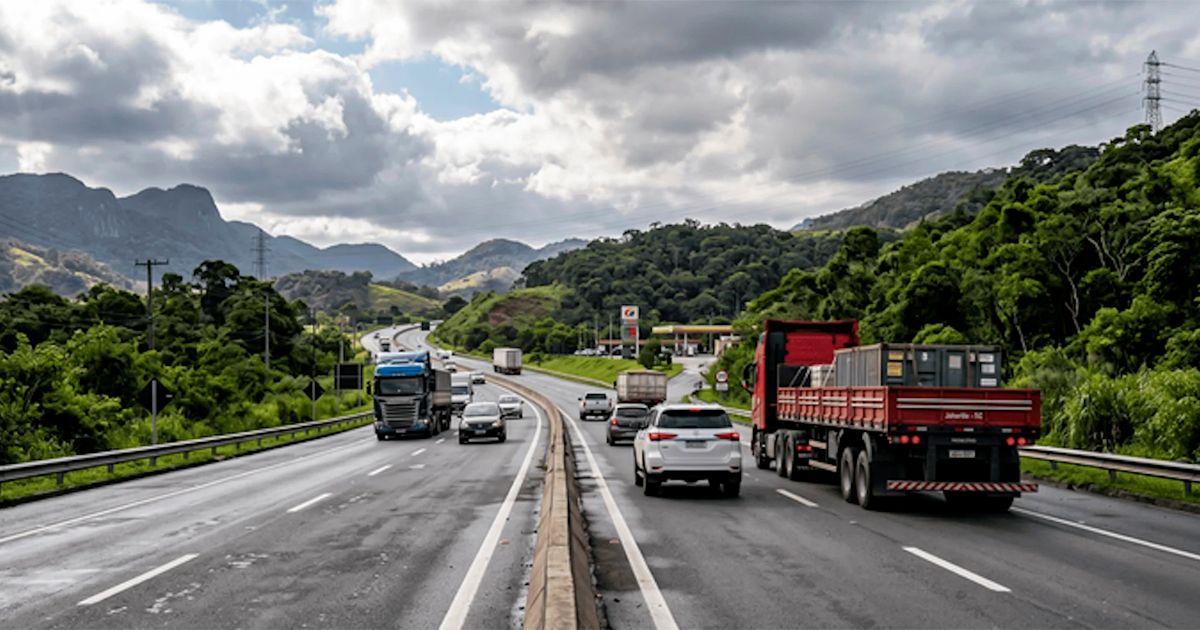
Transportation costs for agricultural output are once again putting pressure on Brazilian producers. The North region recorded the most pronounced increases, with carrier rate adjustments reaching up to 20%, driven by road infrastructure deterioration, higher diesel prices, and a reduced supply of truck drivers during the peak harvest period.
The pressure was not limited to the North. Other key producing regions also reported freight rate hikes, though at lower magnitudes, affecting the final cost for farmers needing to move commodities to ports, processing plants, or cooperatives. In practical terms, higher freight rates act as a direct reduction in the net price received by producers at the farm gate.
Industry analysts warn that logistical strain is likely to intensify in the coming months as the volume of the 2024/25 crop being moved to market increases. The combination of limited road infrastructure and demand concentrated in narrow harvest windows creates recurring bottlenecks that strengthen the bargaining position of carriers.
In this environment, cooperatives and trading companies with pre-agreed freight contracts or proprietary fleets hold a competitive advantage. For individual producers, locking in transportation agreements ahead of the harvest and exploring alternative modes such as rail or waterway transport, where available, may help offset part of the additional cost burden.
Original source
Read more at MundoCoop ↗Content based on a public source. Rights to the original article belong to the cited outlet.